
Staff Correspondent, Dhaka:
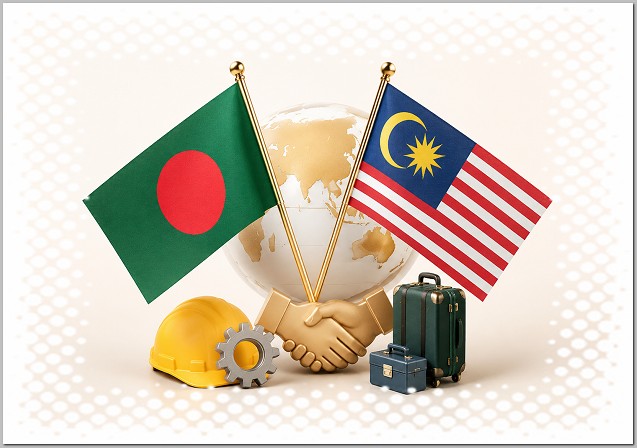
Malaysia’s decision to reopen its labor market for Bangladeshi workers from July 6 marks one of the first tangible economic outcomes of Prime Minister Tarique Rahman’s recent official visit to Malaysia, highlighting the growing role of economic diplomacy in Bangladesh’s foreign policy.
Expatriates’ Welfare and Overseas Employment Minister Ariful Haque Choudhury announced the development on Tuesday, describing it as a direct result of the Prime Minister’s diplomatic engagement. The reopening comes after a prolonged period of restrictions and is expected to provide renewed employment opportunities for thousands of aspiring migrant workers while boosting Bangladesh’s remittance inflows.
The move carries significant economic importance. Overseas employment remains one of Bangladesh’s strongest sources of foreign exchange, with remittances playing a vital role in supporting the country’s external balance, rural economy and household incomes. A restored Malaysian labor market could ease pressure on the domestic job market while creating opportunities in construction, manufacturing, services and plantation sectors where Bangladeshi workers have traditionally been in demand.
Beyond the immediate employment prospects, the development reflects a broader shift towards proactive labor diplomacy under the current government. According to the minister, Bangladesh has been engaged in continuous negotiations with multiple countries to diversify overseas employment destinations and revive existing labor markets. The successful reopening in Malaysia may strengthen Dhaka’s position in similar negotiations with other labor-importing nations.
During his visit to Sylhet, the minister also met US Ambassador Brent T. Christensen, where discussions covered the contributions of the Bangladeshi diaspora, particularly the Sylheti community in the United States, alongside bilateral trade, investment and broader economic cooperation. The meeting underscored the government’s parallel efforts to leverage both labor migration and international partnerships to support national development.
While the reopening is a positive breakthrough, analysts say the long-term success will depend on ensuring transparent recruitment, reducing migration costs and protecting workers’ rights abroad. If effectively managed, the renewed access to Malaysia could become an important milestone in Bangladesh’s strategy to expand overseas employment and sustain remittance-led economic growth.