Special Correspondent, Dhaka:
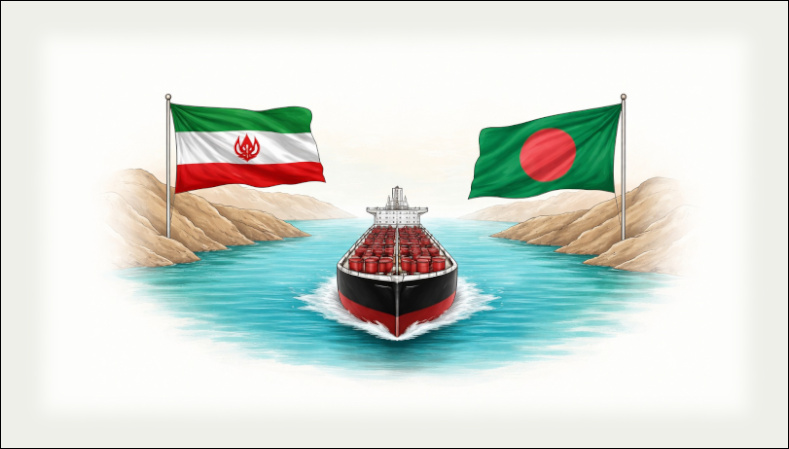
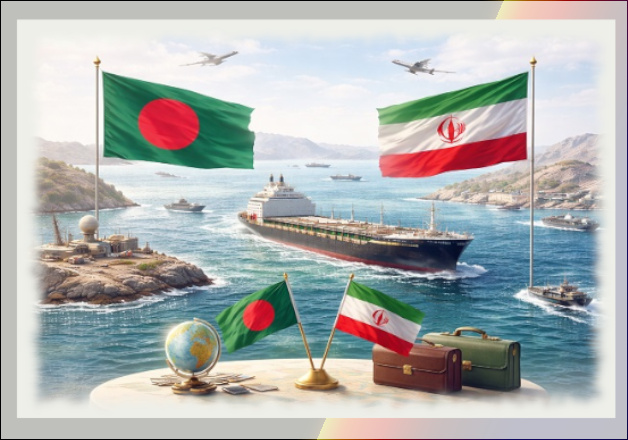
Bangladesh has intensified its diplomatic outreach to secure maritime access through one of the world’s most strategically sensitive chokepoints—the Strait of Hormuz. The request by Foreign Minister Khalilur Rahman to Iran for ensuring the safe passage of Bangladeshi-flagged vessels underscores Dhaka’s growing concern over the vulnerability of its energy supply lines amid rising Gulf tensions.
During his meeting with Iranian Deputy Foreign Minister Saeed Khatibzadeh on the sidelines of the Antalya Diplomacy Forum, Rahman’s appeal reflected both urgency and strategic caution. The Strait of Hormuz, through which a significant portion of global oil shipments pass, remains a geopolitical flashpoint. For Bangladesh—heavily dependent on imported fuel—any disruption could have immediate economic repercussions, particularly in energy pricing and industrial stability.
Iran’s assurance that directives have been issued to facilitate passage offers short-term relief, but it does not eliminate the underlying risks. The evolving regional situation means that safe transit cannot be taken for granted. Dhaka’s diplomatic balancing act—maintaining neutrality while actively engaging Tehran—signals a pragmatic approach aimed at safeguarding national interests without becoming entangled in broader geopolitical rivalries.
Notably, Bangladesh’s “balanced position” on the Gulf crisis has drawn appreciation from Tehran, suggesting that Dhaka’s cautious diplomacy is yielding dividends. Humanitarian gestures and consistent communication appear to have reinforced bilateral goodwill, enabling Bangladesh to secure assurances even in a volatile environment.
From an analytical perspective, this episode highlights a broader shift in Bangladesh’s foreign policy posture—from reactive to proactive crisis management. Rather than waiting for disruptions, Dhaka is leveraging diplomatic channels to pre-empt risks to its critical supply chains.
However, the challenge lies in sustainability. Continued reliance on external assurances exposes Bangladesh to geopolitical uncertainties beyond its control. Diversifying energy routes and strengthening maritime risk management frameworks may be necessary to complement diplomatic efforts.
Ultimately, Dhaka’s engagement over Hormuz reflects a nuanced strategy—one that blends diplomacy, neutrality and strategic foresight in navigating an increasingly complex global energy landscape.