Special Correspondent, Dhaka:
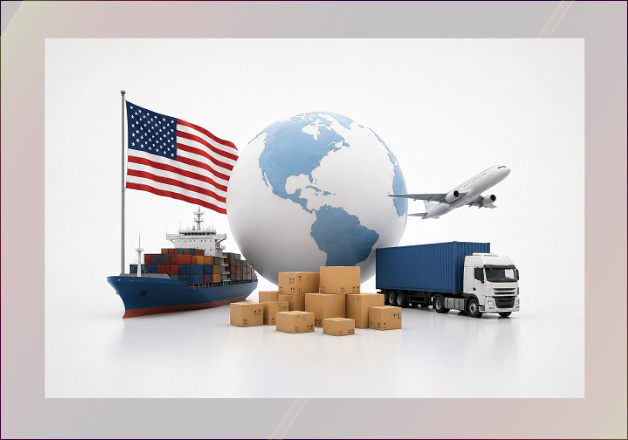
A recent ruling by the United States Court of International Trade regarding the Trump administration’s 10 percent global reciprocal tariff has drawn attention from exporters worldwide, including businesses in Bangladesh, as uncertainty remains over the future direction of US trade policy.
The New York-based court ruled that the administration had exceeded the authority granted under US law when imposing the tariff. However, the decision currently applies only to the three plaintiffs involved in the case — Washington State, toy company Basic Fun, and spice importer Burlap & Barrel. The court ordered a suspension of the tariff for those parties and directed refunds of duties already collected from them.
As a result, the tariff remains effective for most importers and exporters around the world, meaning the broader impact of the ruling is still unclear. Trade observers say the situation has created a period of caution among businesses as they wait to see whether the ruling could later be expanded or challenged in higher courts.
For Bangladesh, the development is being followed closely because the United States is the country’s largest export market, especially for ready-made garments. Industry representatives note that even temporary uncertainty over tariffs can influence buyer decisions, pricing discussions, and future sourcing plans.
Analysts say the case reflects ongoing debates in the United States over the scope of presidential authority in trade matters and the broader use of tariffs as an economic policy tool. The Trump administration is expected to appeal the decision, which could move the case to higher federal courts and potentially prolong legal uncertainty.
Economists believe that while the immediate impact on Bangladeshi exports may be limited, future court decisions could shape trading conditions in the US market. Exporters and manufacturers are therefore monitoring developments carefully, particularly at a time when global trade is already facing challenges from slower economic growth, higher costs, and supply chain adjustments.
For now, businesses are waiting for greater clarity on whether the tariff policy will remain unchanged or evolve through further legal proceedings.