Staff Correspondent, Dhaka:
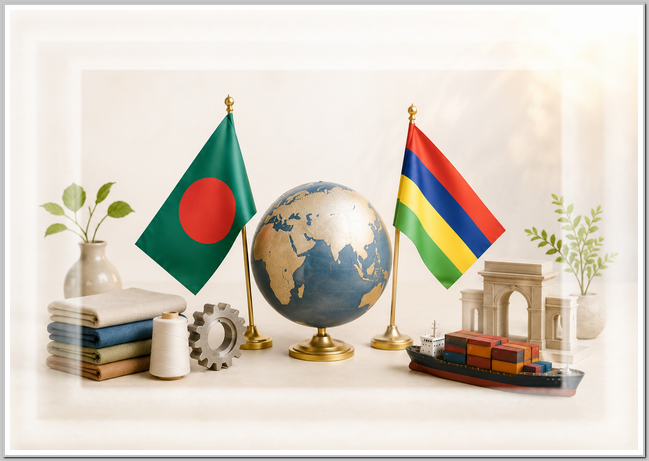
The imminent reopening of Mauritius’ labor market to Bangladeshi workers represents more than a routine bilateral development—it signals a strategic opportunity for Bangladesh to diversify overseas employment destinations, expand skilled labor exports, and strengthen economic diplomacy in the Indian Ocean region.
The policy-level agreement reached between Bangladesh and Mauritius on the sidelines of the International Labor Conference in Geneva comes at a time when Dhaka is seeking new avenues for overseas employment amid changing labor demands in traditional destinations. The planned Memorandum of Understanding (MoU) is expected to provide a structured framework for worker recruitment while addressing regulatory concerns that previously contributed to the market’s closure.
A notable aspect of the discussions is the shift from low-skilled labor migration toward a more diversified workforce model. Bangladesh has proposed sending not only textile workers but also doctors, engineers, nurses, accountants, and other professionals. This reflects the government’s broader ambition to transform Bangladesh from a source of predominantly low-cost labor into a supplier of skilled human capital capable of meeting the evolving demands of global economies.
For Mauritius, the move is driven by practical economic needs. The island nation’s integrated textile industry, a key pillar of its economy, requires a steady supply of skilled workers to remain competitive. Mauritius’ expressed interest in recruiting Bangladeshi professionals suggests confidence in Bangladesh’s growing pool of trained manpower and creates the potential for a long-term labor partnership rather than a short-term recruitment arrangement.
The development also carries significant economic implications for Bangladesh. Overseas employment remains one of the country’s most important sources of foreign exchange through remittances. Opening new labor markets can reduce dependence on a handful of Gulf countries while increasing resilience against regional economic fluctuations and policy changes in traditional host nations.
Beyond labor mobility, the talks revealed a broader economic dimension. Mauritius’ interest in investing in Bangladesh’s textile sector indicates the possibility of deeper economic integration. Such cooperation could create a mutually beneficial cycle where labor, investment, and industrial collaboration reinforce one another.
From a diplomatic perspective, the agreement reflects Bangladesh’s increasingly proactive labor diplomacy. By engaging directly with destination countries and negotiating institutional frameworks for worker recruitment, Dhaka is seeking to ensure safer migration pathways and more sustainable employment opportunities for its citizens.
If translated into a formal MoU and effectively implemented, the reopening of Mauritius’ labor market could become a model for Bangladesh’s efforts to expand skilled migration, attract foreign investment, and strengthen its economic footprint across emerging international labor markets.
Categories: Spotlight, Bangladesh, International