Special Correspondent, Dhaka:
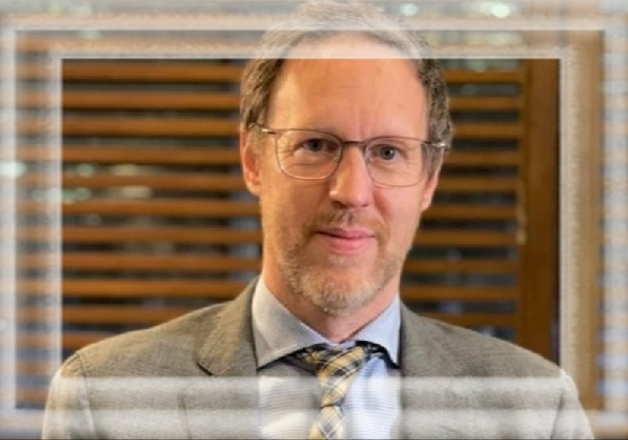
As Bangladesh enters a new phase of political and economic transition, the farewell remarks of outgoing UNDP Resident Representative Stefan Liller offer a timely perspective on the factors that could shape the country’s future trajectory. Drawing on four years of engagement with Bangladesh’s governance and development landscape, Liller emphasized a theme that extends beyond electoral politics: the importance of strong institutions, public trust and inclusive participation.
In an interview with UNB, Liller argued that democratic progress is ultimately measured not only by elections but by the ability of institutions to manage political differences, deliver services and maintain public confidence. His observations provide insight into the broader challenges facing Bangladesh as it seeks to convert political transition into sustainable democratic and developmental gains.
A central message of Liller’s remarks was that democracy requires more than periodic voting. Political competition and disagreement, he noted, are natural features of democratic societies. The true strength of a democratic system lies in its ability to channel those differences through institutions that encourage peaceful participation and respect for shared rules.
For Bangladesh, where political polarization has often influenced public discourse, this perspective is particularly relevant. Liller suggested that long-term stability depends on fostering a culture of inclusion, restraint and consensus-building rather than viewing political rivalry as a zero-sum contest.
Equally significant was his focus on rebuilding public trust. According to Liller, citizens evaluate democratic governance through the performance of institutions such as the judiciary, parliament, election authorities and public administration. Institutional credibility, therefore, is not established through reforms on paper alone but through visible improvements in accountability, justice and service delivery.
His comments reflect a broader global trend in which democratic legitimacy is increasingly tied to governance outcomes. For Bangladesh’s policymakers, this means that maintaining public confidence may prove as important as achieving political milestones.
Liller also highlighted inclusion as a critical component of future development. His emphasis on women’s leadership and participation underscores the view that sustainable progress requires broader representation across political, economic and social spheres. While Bangladesh has made notable advances in women’s empowerment, expanding opportunities for leadership remains an unfinished agenda.
Taken together, Liller’s farewell reflections amount to a measured assessment of Bangladesh’s current moment. His message was neither political nor prescriptive. Rather, it highlighted a widely recognized reality: the durability of democratic and economic progress depends on institutions that citizens trust and on governance systems capable of responding to changing expectations.
As he leaves for his next assignment in Beijing, Liller’s observations serve as a reminder that Bangladesh’s next chapter will be defined not only by political developments but also by the strength and inclusiveness of the institutions that support them.