
Staff Correspondent, Dhaka:
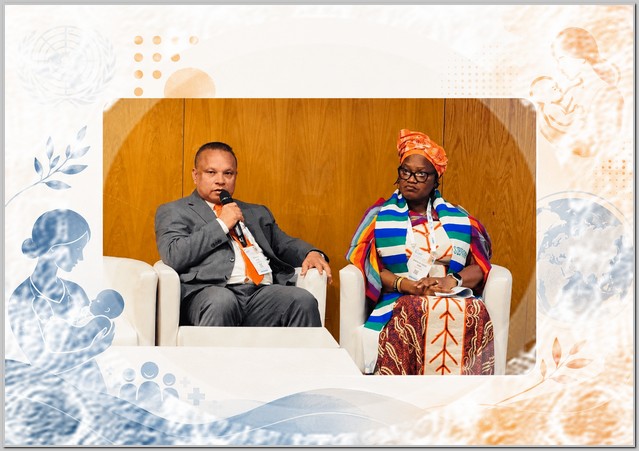
Bangladesh’s announcement that it will create and deploy 25,000 midwives by 2030 represents a major policy shift aimed at strengthening maternal and newborn healthcare while advancing broader development goals. The commitment, unveiled at the International Confederation of Midwives (ICM) Congress in Lisbon, has been welcomed by the United Nations Population Fund (UNFPA) as a significant step toward reducing preventable maternal deaths and improving access to quality healthcare across the country.
The initiative comes at a time when Bangladesh has already achieved notable progress in maternal health. The country has reduced its maternal mortality ratio from 574 deaths per 100,000 live births in the mid-1980s to 136 today. Despite this achievement, approximately 4,000 women still die every year from preventable complications related to pregnancy and childbirth. This reality underscores the need for stronger frontline healthcare services and wider access to skilled birth attendants.
A major obstacle remains the shortage of trained midwives. Currently, only 2,557 midwives serve more than 6,200 public health facilities nationwide, leaving many communities without adequate maternal healthcare support. The situation is particularly challenging in rural areas, where healthcare access is limited and around 30 percent of births still occur at home. Expanding the midwifery workforce is therefore expected to address one of the most critical gaps in Bangladesh’s healthcare system.
The significance of this investment extends beyond increasing workforce numbers. Midwives are recognized globally as essential providers of maternal and reproductive healthcare. According to UNFPA, they can deliver up to 90 percent of essential sexual, reproductive, maternal, newborn, and adolescent health services. Their role in monitoring pregnancies, assisting safe deliveries, and providing postnatal care makes them one of the most effective tools for reducing maternal and newborn mortality.
The initiative also reflects Bangladesh’s growing emphasis on preventive healthcare. By deploying midwives at primary healthcare facilities, the government aims to ensure earlier detection of complications, improve referrals, and reduce the burden on hospitals. This approach is likely to improve health outcomes while making healthcare delivery more efficient and accessible.
Beyond health benefits, the program has important social and economic implications. It will create thousands of professional opportunities for women and strengthen female participation in the healthcare workforce. If effectively implemented, the plan could accelerate progress toward the Sustainable Development Goal target of reducing maternal mortality to fewer than 70 deaths per 100,000 live births by 2030. Ultimately, Bangladesh’s midwifery expansion represents not only an investment in healthcare but also in human development, gender empowerment, and the country’s long-term socio-economic future.