Anwar Shahadat | New York
The United Nations refugee agency (UNHCR) and its humanitarian partners have urged the international community not to forget the more than one million Rohingya refugees living in Bangladesh as funding shortages threaten essential services in the camps.
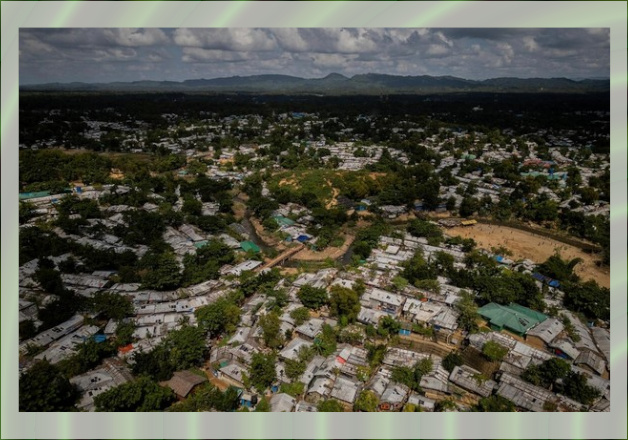
According to UNHCR, the Rohingya crisis remains one of the world’s largest and most prolonged refugee emergencies. Most Rohingya refugees fled Myanmar following violence and persecution in 2017 and continue to live in camps in Cox’s Bazar and on Bhasan Char, relying heavily on humanitarian assistance for food, shelter, healthcare, education, and protection.
The UN and its partners recently launched an appeal for $710.5 million to support Rohingya refugees and affected Bangladeshi host communities during 2026. The funding request aims to provide life-saving assistance to approximately 1.56 million people, including both refugees and local communities that have carried the burden of hosting the displaced population for nearly a decade.
Humanitarian agencies warn that declining international funding is putting critical services at risk. Aid organizations have already reported growing concerns over food security, healthcare access, shelter support, and protection services. UNHCR officials caution that continued funding gaps could further increase vulnerability among refugees, particularly women, children, and elderly residents of the camps.
Bangladesh continues to host the largest population of Rohingya refugees in the world. Despite significant economic and environmental pressures, the country has maintained its commitment to providing refuge while repeatedly calling for greater international burden-sharing and a durable solution to the crisis.
The humanitarian situation remains complicated by ongoing instability in Myanmar, which continues to hinder prospects for the safe, voluntary, and sustainable return of refugees to their homeland. As a result, many Rohingya families remain dependent on international assistance with no immediate solution in sight.
Aid agencies also warn that overcrowded camps remain vulnerable to fires, flooding, landslides, and other natural disasters. Recent incidents, including major fires and dangerous sea crossings by refugees seeking opportunities elsewhere, have highlighted the continuing challenges faced by the Rohingya population.
As the crisis enters its ninth year, UNHCR and its partners are calling on donor countries and the broader international community to maintain support for both Rohingya refugees and the Bangladeshi communities that host them. They stress that sustained humanitarian assistance remains essential until conditions in Myanmar allow for a safe and dignified return.