Anwar Shahadat, New York:
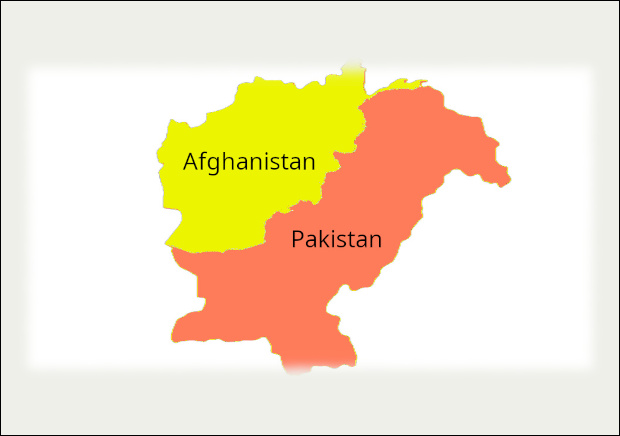
The latest exchange of warnings and accusations between India and Pakistan serves as a reminder of how quickly tensions in South Asia can escalate. Statements delivered in international forums, including the United Nations, may reflect legitimate security concerns from each side, but they also highlight a dangerous reality: the subcontinent remains vulnerable to political and military confrontation at a time when the region can least afford it. News Link:
For more than seven decades, India and Pakistan have experienced periods of conflict, crisis, and mistrust. Yet the greatest victims of any future confrontation would not be governments, military establishments, or political leaders. The true cost would be borne by ordinary citizens—workers, farmers, students, small business owners, and families whose livelihoods depend on economic stability and regional peace.
South Asia today is home to nearly two billion people. The region faces pressing challenges including inflation, unemployment, climate-related disasters, food security concerns, and the need for sustainable economic growth. In such circumstances, diverting national resources toward military escalation would undermine development priorities and place additional burdens on already struggling populations.
The economic consequences of conflict between India and Pakistan would extend far beyond the borders of the two countries. Financial markets would react negatively, investor confidence would decline, and regional trade routes could be disrupted. Foreign investment, which plays an important role in economic development, often retreats from regions perceived as unstable or vulnerable to conflict.
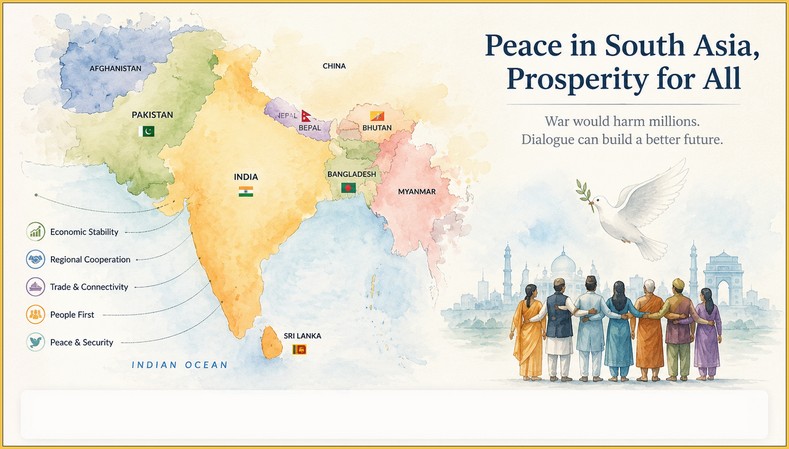
The effects would also be felt across neighboring countries. Bangladesh, Nepal, Sri Lanka, Bhutan, and Afghanistan all have economic and strategic interests tied to regional stability. Any major military confrontation could disrupt transportation networks, trade flows, tourism, and broader regional cooperation. South Asia’s collective economic potential would suffer at a moment when global competition requires greater integration rather than division.
Another reason for caution is the humanitarian dimension. Modern warfare does not affect only military targets. Civilian infrastructure, public services, healthcare systems, and educational institutions can all suffer severe consequences. Families living near border areas often face displacement, uncertainty, and long-term economic hardship. Even a limited conflict can leave lasting social and psychological scars.
The international community also has a strong interest in preventing escalation. Both India and Pakistan are significant regional powers whose stability contributes to broader international security. Diplomatic engagement, confidence-building measures, and open channels of communication remain essential tools for preventing misunderstandings from evolving into crises.
History demonstrates that military victories are often temporary, while the costs of conflict can endure for generations. Economic development, poverty reduction, technological advancement, and regional cooperation offer far greater benefits to citizens than confrontation. The people of South Asia deserve opportunities for prosperity, education, and security—not another cycle of hostility.
The future of the subcontinent should be shaped by dialogue rather than conflict. Political disagreements and security concerns are real, but they must be managed through diplomacy, international engagement, and responsible statecraft. At a time when South Asia faces immense economic and environmental challenges, peace is not merely a desirable objective—it is a strategic necessity.
A stable and prosperous South Asia will not be built through threats or military escalation. It will be built through cooperation, restraint, and a recognition that the well-being of nearly two billion people depends on preserving peace. The subcontinent cannot afford another war, and its citizens should not have to pay the price for one.