Senior Correspondent, Dhaka:
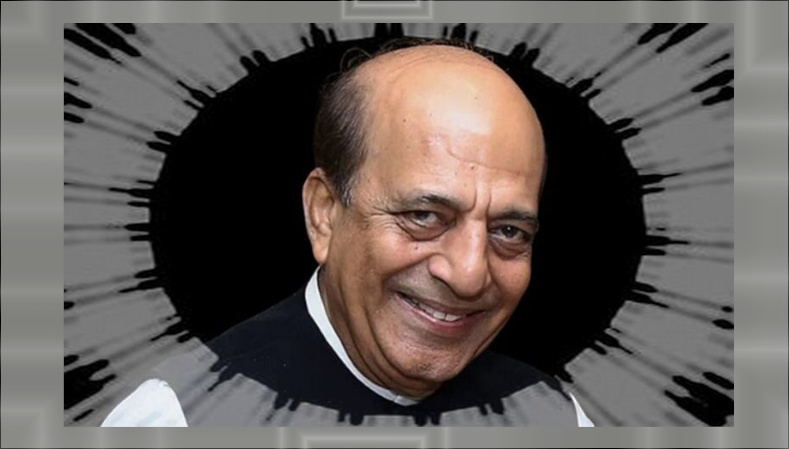
As Dinesh Trivedi prepares to assume office as India’s new High Commissioner to Bangladesh, his first public remarks offer important insight into New Delhi’s evolving approach toward one of its most important neighbors. Rather than focusing on contentious issues that have strained bilateral relations in recent months, Trivedi chose to highlight shared history, culture, democratic values and economic potential, signaling a possible effort to reset the tone of Bangladesh-India engagement.
Speaking in Kolkata before taking charge in Dhaka, the veteran politician described India and Bangladesh as “brothers and sisters” who share not only a border but also common dreams and challenges. He argued that the combined population of the two countries could become a powerful democratic and economic force if both sides work together toward common goals. His emphasis on people-to-people ties, cultural similarities and mutual development suggests an attempt to shift the conversation away from current disputes and toward the broader foundations of the relationship.
The timing of these remarks is significant. Bangladesh and India are navigating a difficult phase marked by political sensitivities, border-related concerns and growing strategic competition in the region. The continued presence of former Prime Minister Sheikh Hasina in India, allegations regarding migrant pushbacks and differing perceptions on several bilateral issues have contributed to a climate of mistrust. Against this backdrop, Trivedi’s message appears designed to reassure both governments and the public that disagreements should not overshadow the long-term importance of the relationship.
His appointment itself carries strategic significance. Unlike most Indian high commissioners sent to Dhaka, Trivedi is not a career diplomat but a seasoned politician with decades of experience in Parliament and government. By appointing a political heavyweight rather than a traditional diplomat, New Delhi appears to be signaling that Bangladesh is not merely a diplomatic posting but a political priority. The move suggests India believes stronger political engagement may be necessary to navigate the changing realities of Bangladesh’s domestic and foreign policy landscape.
Notably, when questioned about contentious issues such as Sheikh Hasina’s stay in India and migration-related tensions, Trivedi avoided confrontation and instead emphasized that disagreements are a normal part of democratic societies. His response reflects a broader effort to frame current tensions as manageable challenges rather than fundamental obstacles to cooperation.
The success of Trivedi’s tenure, however, will depend on more than symbolism and positive messaging. Long-standing issues such as water sharing, border management and regional strategic competition require substantive policy engagement from both sides. Nevertheless, diplomacy often begins with rebuilding confidence, and Trivedi’s opening remarks suggest that fostering trust will be one of his primary objectives.
Ultimately, his arrival in Dhaka represents more than a routine diplomatic transition. It reflects India’s attempt to recalibrate its Bangladesh policy through greater political engagement and public diplomacy. Whether this approach can help revive momentum in bilateral relations remains to be seen, but Trivedi’s early messaging indicates that New Delhi is seeking common ground rather than confrontation as it enters a new chapter in relations with Bangladesh.