Special Correspondent, Dhaka:
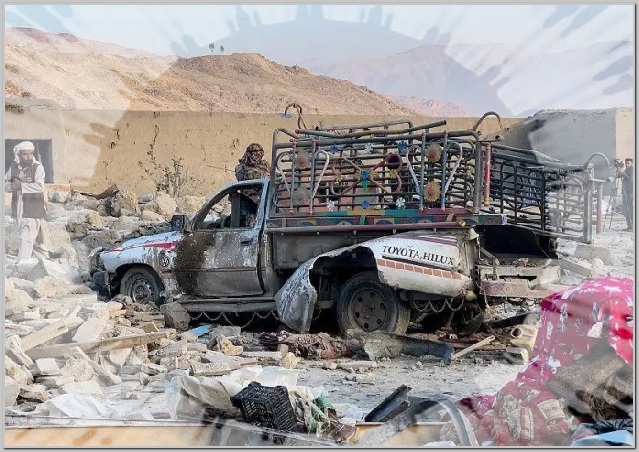
Pakistan’s latest airstrikes inside Afghanistan, which reportedly killed at least 12 civilians, highlight the increasingly volatile security dynamics along one of South Asia’s most troubled borders. While Islamabad maintains that its military operations target militant hideouts, the reported deaths of children and other civilians are likely to intensify tensions between the two neighboring countries and further complicate already strained diplomatic relations.
The strikes come after a brief period of relative calm following months of cross-border violence that culminated in unprecedented Pakistani air operations targeting locations deep inside Afghanistan. The latest incident suggests that neither side has been able to address the underlying security concerns driving the conflict.
At the center of the dispute lies the Tehreek-e-Taliban Pakistan (TTP), a militant group responsible for numerous attacks inside Pakistan. Islamabad has repeatedly accused the Taliban-led Afghan government of allowing TTP fighters to operate from Afghan territory. Pakistani officials argue that cross-border military action has become necessary because Kabul has failed to curb militant activities threatening Pakistan’s national security.
The Taliban administration firmly rejects these allegations and views Pakistani strikes as violations of Afghanistan’s sovereignty. Kabul has consistently accused Islamabad of using security concerns as justification for military incursions while failing to address broader political and border-related disputes. Each new strike strengthens nationalist sentiment within Afghanistan and increases pressure on Taliban authorities to respond more forcefully.
The humanitarian consequences are equally significant. Reports of civilian casualties, particularly children, risk drawing greater international scrutiny and criticism. Previous rounds of fighting have already resulted in hundreds of civilian deaths and injuries, according to United Nations assessments, raising concerns about the growing human cost of the conflict.
Beyond security, the deteriorating relationship has substantial economic implications. Border closures and trade disruptions have affected businesses and communities on both sides, undermining regional connectivity and economic recovery efforts. The prolonged shutdown of key crossing points has frozen significant portions of bilateral trade, deepening mistrust between the neighbors.
Strategically, the latest strikes demonstrate that Pakistan-Afghanistan relations remain trapped in a cycle of accusation, retaliation, and insecurity. Unless both governments establish a credible mechanism for intelligence sharing, border management, and counterterrorism cooperation, military actions are likely to continue. The renewed violence serves as a reminder that the unresolved TTP issue remains one of the most serious obstacles to stability, peace, and constructive engagement between Islamabad and Kabul.