By AIP Wire Staff
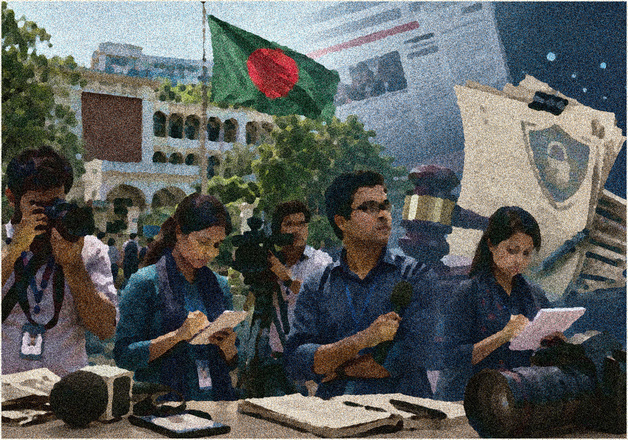
WASHINGTON / DHAKA — The criminal prosecution of six journalists from the Bangladeshi daily Agrajatra Pratidin has reignited concerns over press freedom in Bangladesh. This latest action by the authority raised questions about whether the country’s political transition has translated into meaningful improvements for independent media.
The Committee to Protect Journalists (CPJ) on June 22 called on Bangladeshi authorities to immediately drop charges against six journalists accused under the Cyber Security Act 2026. They are arguing that the case represents another example of legal measures being used against reporters engaged in public-interest journalism.
According to CPJ, the charges stem from reporting by Agrajatra Pratidin concerning allegations of corruption involving Local Government Minister Mir Shahe Alam. The complaint, filed by Bogura Press Club Treasurer Tanvir Alam Rimon, accuses the journalists of publishing false and defamatory information and includes allegations of extortion and criminal intimidation.
Police arrested the newspaper’s acting editor, Md. Rezanur Islam, on June 18. He remained in custody until being granted bail on June 21. Authorities have reportedly continued efforts to arrest five other journalists named in the case, including the publication’s editor, news editor, reporter, and two district correspondents.
CPJ condemned the charges and detention, describing them as an attempt to intimidate journalists for reporting on matters of public interest. The organization urged authorities to stop using cyber legislation and criminal defamation provisions against members of the press.
The case comes at a sensitive political moment for Bangladesh. Following the departure of the previous government and the emergence of a new elected administration under Prime Minister Tarique Rahman, many domestic and international observers expected improvements in democratic governance, civil liberties, and media freedom.
However, press freedom advocates argue that developments in recent months suggest continuity rather than change in the treatment of journalists.
For years, local and international rights organizations criticized the previous administration for using digital security legislation to investigate, detain, and prosecute journalists, activists, and critics. The replacement of the controversial Digital Security Act with newer cyber-related legislation had raised hopes among media groups that authorities would move away from criminalizing journalistic work.
Yet the latest case indicates that concerns surrounding the use of cyber laws against reporters remain unresolved.
CPJ noted that Bangladesh has experienced a broader pattern of threats, harassment, and attacks against journalists amid intense political polarization. Earlier this month, the organization urged Prime Minister Rahman to fulfill campaign commitments aimed at strengthening press freedom and ensuring greater protections for independent media.
The prosecution of the Agrajatra Pratidin journalists is therefore likely to become an early test of the new government’s willingness to distinguish itself from previous administrations on issues of free expression and media rights.
Critics argue that corruption allegations involving public officials should be addressed through transparent investigation and factual rebuttal rather than criminal proceedings against journalists. They contend that the continued use of cyber and defamation laws risks creating a chilling effect on investigative reporting, particularly outside major urban centers.
Government officials have not publicly defended the charges in detail. Notably, Minister Mir Shahe Alam reportedly expressed regret over the arrest and stated that no one should pursue legal action on his behalf. As of Monday, authorities had not publicly responded to CPJ’s request for comment.
The outcome of the case may serve as an important indicator of whether Bangladesh’s new political leadership intends to pursue meaningful reforms in press freedom protections or continue legal practices that rights groups have long criticized under previous governments.