Senior Correspondent, Dhaka
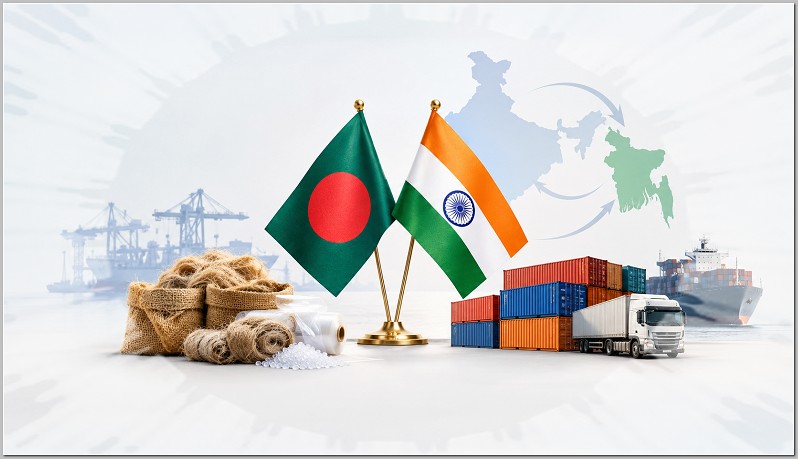
Bangladesh and India have resumed formal trade discussions after a prolonged gap, bringing longstanding market-access barriers, tariff disputes, and cross-border connectivity into focus as the two neighbors seek to normalize bilateral relations.
At the October 8–9 meeting of the Joint Working Group on Trade in New Delhi, Bangladesh called for the removal of restrictions on its exports through Indian land ports and the withdrawal of anti-dumping duties on jute products and polyethylene terephthalate (PET) film. Dhaka also sought harmonized product standards, simpler certification procedures, and the continuation of existing tariff preferences following Bangladesh’s graduation from least developed country (LDC) status.
The discussions, described by officials as positive, are expected to help prepare for a meeting between the two countries’ commerce secretaries. The resumption of working-level engagement comes after bilateral relations deteriorated during the interim administration led by Muhammad Yunus, with both sides now exploring ways to restore institutional dialogue.
India, meanwhile, raised concerns over restrictions on its cotton exports to Bangladesh, high import duties on commodities including fruits, rice, iron, and steel, and the use of positive lists governing trade through land ports in northeastern India. New Delhi has long advocated replacing these limited lists of permitted goods with negative lists, which prohibit only specified products.
India also sought the revival of border markets, known as ‘haats,’ and the reopening of integrated check posts and land customs stations closed during the interim administration.
Beyond tariffs, Bangladesh pressed for improved land-port infrastructure, faster customs clearance, and greater access for its trucks travelling to Nepal and Bhutan through Indian territory. Better roads, warehouses, quarantine facilities, and cargo-handling capacity could reduce transport costs and strengthen regional trade connectivity.
Bilateral trade reached $12.36 billion in fiscal 2025–26, with Indian exports accounting for $10.58 billion. The substantial trade imbalance remains a central consideration for Dhaka, which is reportedly unlikely to ease restrictions on Indian imports without addressing the deficit.
The talks represent a practical step towards rebuilding economic cooperation. However, translating renewed dialogue into tangible gains will depend on reciprocal concessions, improved market access, and sustained political commitment from both governments.