Senior Correspondent, Dhaka:
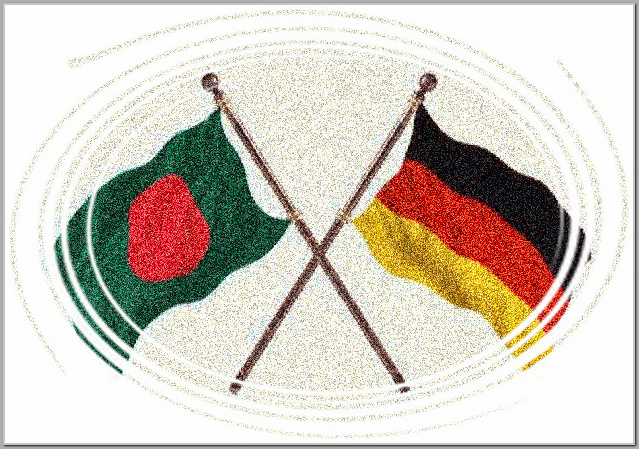
Germany’s latest diplomatic outreach to Bangladesh signals a broader shift in Europe’s approach toward the South Asian nation. While the visit of senior German Foreign Office officials focused on bilateral cooperation, trade and humanitarian issues, its underlying message was clear: Bangladesh’s political transition has created new opportunities for deeper engagement with Europe.
During a three-day visit to Dhaka, Frank Hartmann, Director General for Asia and the Pacific at Germany’s Federal Foreign Office, described Bangladesh’s recent democratic transition as a successful process that resulted in a democratically elected government. His remarks carry significance beyond diplomacy, as they indicate growing European confidence in Bangladesh’s political trajectory and governance environment.
For Germany and the European Union, Bangladesh is increasingly emerging as an important partner at a time of changing geopolitical and economic realities. With a population of more than 170 million, a rapidly expanding economy and a strategic location in the Bay of Bengal region, Bangladesh is becoming difficult for Europe to overlook.
The visit comes at a crucial moment as Bangladesh prepares for its graduation from Least Developed Country (LDC) status. The country is seeking stronger trade and investment partnerships to sustain economic growth after losing certain international trade preferences. In this context, Bangladesh’s interest in pursuing a Free Trade Agreement (FTA) with the European Union featured prominently in discussions.
An FTA is becoming increasingly important for both sides. The EU remains Bangladesh’s largest export market, particularly for ready-made garments. As preferential market access gradually phases out following LDC graduation, a comprehensive trade arrangement could help preserve Bangladesh’s competitiveness while creating new opportunities for European investors and businesses.
Beyond trade, the discussions reflected a broader effort to elevate bilateral relations. Meetings with senior government officials, business leaders and civil society representatives covered issues ranging from investment facilitation and technical education to export diversification in sectors such as leather, jute and light engineering.
The Rohingya crisis also remained a central issue. Germany acknowledged Bangladesh’s continued role in sheltering displaced Rohingyas, while Bangladeshi officials reiterated the need for stronger international efforts to ensure their safe, voluntary and dignified return to Myanmar. The issue remains a key test of international burden-sharing and humanitarian responsibility.
Taken together, the visit suggests that Germany sees Bangladesh not merely as a development partner but as an increasingly significant economic and strategic actor. Europe’s willingness to deepen engagement reflects growing recognition of Bangladesh’s evolving role in regional affairs.
The message from Berlin is therefore both political and economic: democratic stability has enhanced Bangladesh’s international standing, and Europe is now looking to translate that confidence into stronger trade, investment and strategic cooperation.