Special Correspondent, Dhaka:
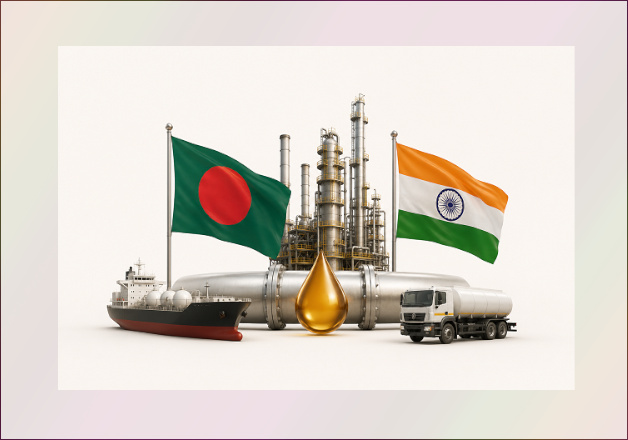
Bangladesh’s initiative to pursue a government-to-government refining arrangement with India highlights a broader effort by Dhaka to deepen bilateral energy cooperation while addressing immediate supply vulnerabilities. The proposal, led by the Energy and Mineral Resources Division and to be executed by Bangladesh Petroleum Corporation, reflects a pragmatic approach to managing fuel security amid persistent global market volatility.
Under the proposed model, Bangladesh would utilise India’s refining capacity through a tolling mechanism, whereby crude oil owned or financed by Bangladesh is processed in Indian refineries for a fee. This arrangement offers a practical solution to the country’s limited domestic refining capability, which is largely dependent on Eastern Refinery Limited. With energy demand rising steadily across power generation, transport, and industry, existing infrastructure has struggled to keep pace.
India’s extensive and technologically advanced refining sector presents a viable partner for Bangladesh’s evolving energy needs. By leveraging Indian facilities, Dhaka could access a more diversified crude sourcing network and potentially benefit from cost efficiencies in refining and logistics. The initiative also signals a shift toward more structured and institutionalized energy collaboration between the two neighbors.
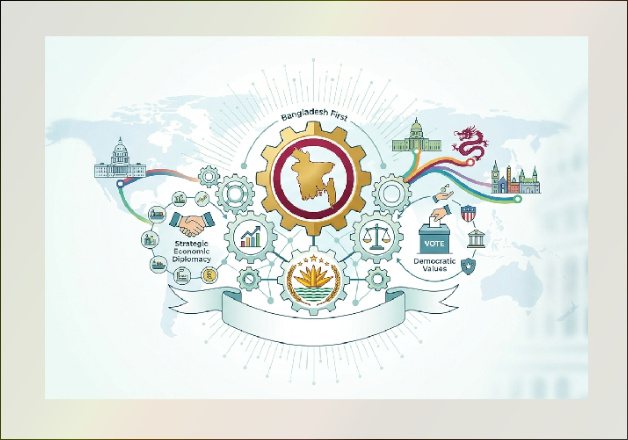
At a strategic level, the proposal underscores Bangladesh’s intent to integrate regional partnerships into its energy planning. Strengthened cooperation with India could enhance supply predictability and reduce exposure to short-term disruptions in global fuel markets. At the same time, it aligns with Dhaka’s broader foreign policy approach of engaging key regional partners to support economic stability.
However, the arrangement also introduces important considerations. Dependence on external refining infrastructure may raise concerns about long-term energy autonomy, while financial outflows in foreign currency could add pressure on reserves. Questions around pricing transparency and equitable terms will also be central to future negotiations.
As such, the proposed deal is best viewed as part of a dual-track strategy. While it offers an immediate pathway to reinforce supply security through closer cooperation with India, it also highlights the continuing need for Bangladesh to invest in expanding its own refining capacity to ensure sustainable, long-term energy resilience.