Special Correspondent, Dhaka:
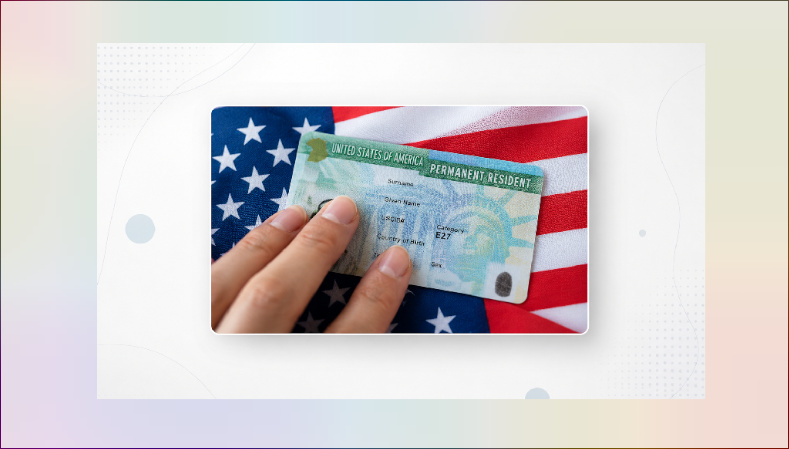
The Trump administration’s latest immigration directive requiring most Green Card applicants to apply from their home countries could significantly reshape migration prospects for thousands of Bangladeshis seeking permanent residency in the United States. The move marks another tightening of US immigration policy and is likely to create economic, social, and procedural challenges for aspiring migrants from Bangladesh.
Under the new policy, foreign nationals staying temporarily in the US on student, tourist, or work visas will generally no longer be allowed to adjust their immigration status from within the country. Instead, they must return to their home countries and complete the Green Card process through US consular offices abroad. Washington argues that the measure will discourage visa overstays and reduce undocumented migration.
For Bangladesh, the implications are substantial. A growing number of Bangladeshi students, skilled workers, and professionals travel to the United States every year under temporary visa categories, many with long-term ambitions of settling there permanently. Previously, adjustment of status from within the US offered relative convenience, job continuity, and family stability. The new rule injects uncertainty into that pathway.
One immediate concern is the financial burden. Returning to Bangladesh during the application process could force applicants to leave jobs, pause studies, or remain separated from families for extended periods. Processing delays at US embassies and consulates may further complicate matters, particularly given historically high visa backlogs in South Asia.
The policy could also discourage Bangladeshi students from choosing the United States as a destination for higher education. Many international students consider long-term residency opportunities when selecting study destinations. Countries such as Canada and Australia, which offer clearer post-study immigration pathways, may become comparatively more attractive.
Bangladesh’s remittance economy may feel indirect effects as well. While most remittances come from the Middle East, Bangladeshi professionals in North America contribute significantly through higher-value transfers and investments. Reduced migration opportunities could gradually affect that flow.
At the diplomatic level, the development reflects the broader shift in US immigration priorities under President Donald Trump, whose administration has focused heavily on border enforcement and restricting both irregular and legal immigration channels. Analysts believe the policy may particularly impact developing countries where applicants often rely on status adjustment after entering the US legally.
Despite the tougher stance, immigration experts note that “extraordinary circumstances” exemptions still exist, although details remain unclear. For Bangladeshi applicants, the new reality underscores the need for careful long-term immigration planning, stronger legal guidance, and realistic expectations about residency pathways in the United States.