Special Correspondent, Dhaka:
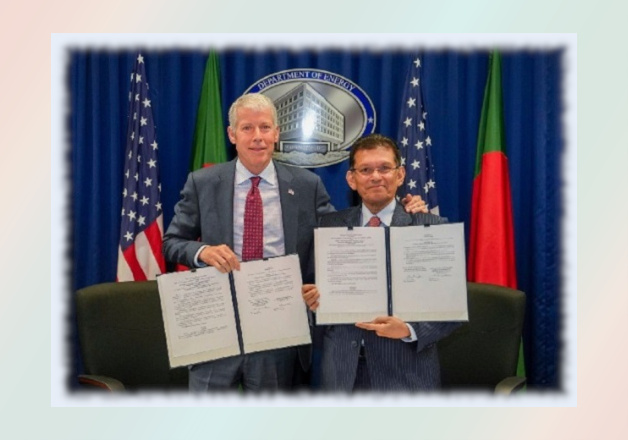
The newly signed energy cooperation memorandum between Bangladesh and the United States marks a significant development in Dhaka’s broader strategy to secure stable and diversified energy supplies amid increasing global uncertainty. Signed at the US Department of Energy in Washington, the agreement reflects both countries’ intention to deepen cooperation in the energy sector while aligning with evolving geopolitical and economic realities.
The timing of the agreement is particularly important. Ongoing instability in the Middle East, fluctuating global fuel prices and supply chain disruptions have intensified concerns among energy-importing countries like Bangladesh. As the country faces rising industrial demand, power generation pressures and foreign exchange challenges linked to energy imports, securing reliable and competitive energy sources has become a central policy priority.
The memorandum provides Bangladesh an opportunity to diversify beyond its traditional energy partners by expanding access to US liquefied natural gas (LNG), liquefied petroleum gas (LPG) and other energy products. Such diversification could reduce vulnerability to regional disruptions and strengthen long-term supply stability. The agreement also indicates Bangladesh’s effort to balance affordability with supply chain resilience, an increasingly important consideration in global energy planning.
Beyond fuel imports, the cooperation framework includes knowledge exchange, technical expertise and joint studies in oil, gas, geothermal energy and bioenergy. These components suggest that the agreement is designed not only as a commercial arrangement but also as a long-term institutional partnership aimed at enhancing Bangladesh’s energy sector capacity and technological preparedness.
From the US perspective, the memorandum aligns with Washington’s broader strategy of strengthening economic and strategic engagement in South Asia. Energy cooperation has become an important tool in expanding bilateral relations, particularly with rapidly growing economies seeking infrastructure development and energy transition support. For the United States, Bangladesh represents a growing market with increasing energy demand and strategic importance in the Indo-Pacific region.
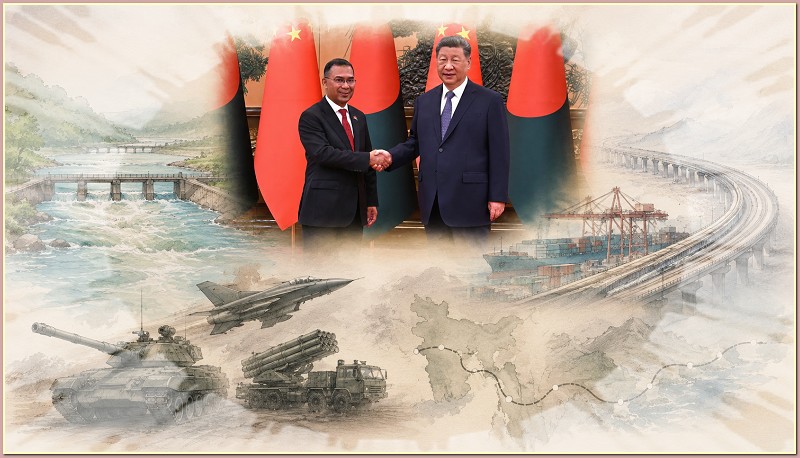
The agreement also carries geopolitical implications. Bangladesh has traditionally maintained energy cooperation with multiple partners, including Middle Eastern suppliers, China and Russia. Closer energy engagement with the United States reflects Dhaka’s continued approach of maintaining diversified international partnerships while avoiding overdependence on any single bloc or supplier.
However, the long-term impact of the memorandum will depend largely on implementation. Bangladesh will need to ensure that future energy imports remain economically viable, particularly given concerns over LNG pricing volatility in global markets. Infrastructure readiness, storage capacity and financial sustainability will also play key roles in determining the effectiveness of the partnership.
Overall, the Bangladesh-US energy cooperation pact represents a strategic step toward strengthening energy resilience, expanding bilateral engagement and positioning Bangladesh within a more diversified global energy framework.