Senior Correspondent, Dhaka:
Bangladesh has moved into a more substantive phase of its bid to join the Regional Comprehensive Economic Partnership (RCEP), after ministers approved an accession working group for four applicant economies, including Bangladesh.
The decision was taken at the fifth RCEP Ministers’ Meeting in Manila on September 21, where members endorsed the establishment of an ad hoc Accession Working Group for Bangladesh, Chile, Hong Kong, China, and Sri Lanka. The move follows a recommendation from the RCEP Joint Committee and is intended to advance discussions and technical work related to possible accession.
For Bangladesh, the decision provides an institutional channel for formal engagement with the 15-member trade bloc. However, the formation of the working group does not itself constitute membership. Bangladesh will still have to go through negotiations and meet the bloc’s accession requirements before any final decision on membership.
The timing is significant as Bangladesh prepares for the trade-policy adjustments associated with its graduation from the least developed country (LDC) category. Greater integration with RCEP markets could potentially help diversify export destinations, preserve preferential market access through negotiated arrangements, and strengthen Bangladesh’s participation in regional supply chains.
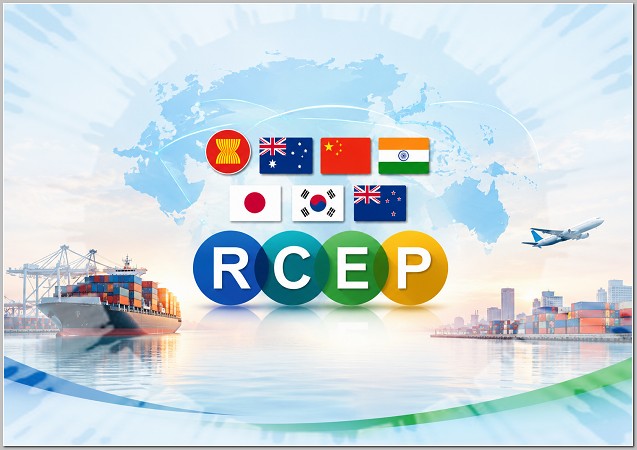
RCEP connects the 10 ASEAN economies with China, Japan, South Korea, Australia, and New Zealand. It is already the world’s largest free-trade agreement by participating economies and entered into force in 2022.
The Manila meeting also placed RCEP’s future development alongside its expansion. Members reaffirmed support for an open, rules-based trading framework and agreed to continue preparations for a general review of the agreement, with a joint scoping document expected to be endorsed in 2027.
For Dhaka, the next stage will therefore be less about the symbolism of entering a major trade bloc and more about negotiating market access, aligning trade rules, and assessing the domestic adjustments required to translate RCEP membership into export and investment gains.