Anwar Shahadat | New York
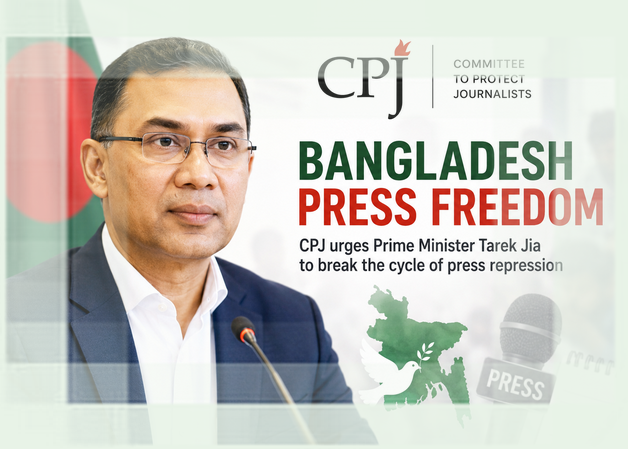
The Committee to Protect Journalists (CPJ) has urged Bangladesh Prime Minister Tarique Rahman to use the momentum of his first 100 days in office to break what it described as a longstanding cycle of press repression and to deliver on promises of media reform and greater protection for journalists.
In its latest assessment, the New York-based press freedom organization acknowledged what it called encouraging signals from the new administration but stressed that significant challenges remain for journalists and media organizations across the country. CPJ said the government now has an opportunity to demonstrate a clear commitment to press freedom by translating campaign pledges into concrete policy actions.
The organization has repeatedly called on the government to review restrictive laws that have been used against journalists, including cybercrime-related legislation, and to ensure that criminal prosecutions are not used to silence critical reporting. CPJ and several international human rights organizations have also urged authorities to publicly affirm support for media independence and investigate attacks and intimidation directed at journalists and news outlets.
A major concern highlighted by CPJ involves the continued detention and legal cases against several journalists. In a recent letter to Bangladesh’s law minister, the organization called for the release of four senior journalists and argued that the cases against them appeared politically motivated. CPJ said the government should fulfill its election commitments by reviewing such cases and ensuring due process.
The issue of press freedom has remained at the center of international attention since Bangladesh’s political transition earlier this year. In March, CPJ joined eight international rights organizations in urging Prime Minister Rahman to strengthen protections for journalists, end arbitrary censorship, and align media-related laws with international standards.
Rights groups argue that a free and independent media is essential for democratic accountability and public trust. They contend that reforms should include stronger legal safeguards for journalists, transparent investigations into attacks on media workers, and protection against political pressure and surveillance.
For the Rahman government, the first 100 days have brought both expectations and scrutiny. While supporters point to promises of institutional reform and democratic renewal, press freedom advocates say the coming months will be critical in determining whether Bangladesh can move beyond past patterns of media restrictions and establish a more open environment for journalism.
As Bangladesh continues its political transition, CPJ maintains that the government’s response to press freedom concerns will serve as an important indicator of its broader commitment to democratic governance, human rights, and the rule of law.