Staff Correspondent, Dhaka:
Bangladesh’s decision to send 240 tonnes of food supplies to Kuwait goes beyond a symbolic humanitarian gesture and reflects Dhaka’s growing use of economic and diplomatic goodwill in strengthening strategic ties with Gulf partners.
The timing of the assistance is particularly significant. With the prolonged disruption around the Strait of Hormuz creating pressure on regional supply chains, Bangladesh positioned itself as a dependable partner capable of responding during a period of uncertainty in West Asia. Although the food consignment is modest compared to Kuwait’s overall import requirements, the move carries diplomatic weight because it demonstrates political solidarity at a sensitive geopolitical moment.
The initiative also highlights Bangladesh’s evolving foreign policy approach under the current administration, where humanitarian support and economic diplomacy are increasingly interconnected. By assisting Kuwait’s strategic food reserves, Dhaka is reinforcing its image as a responsible regional actor while simultaneously deepening relations with an important labor market and investment partner.
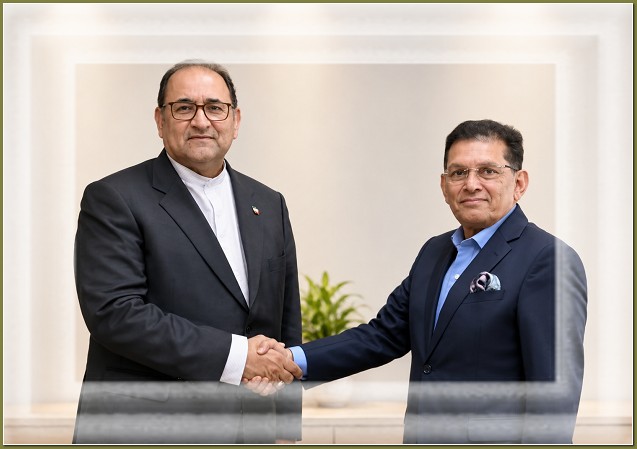
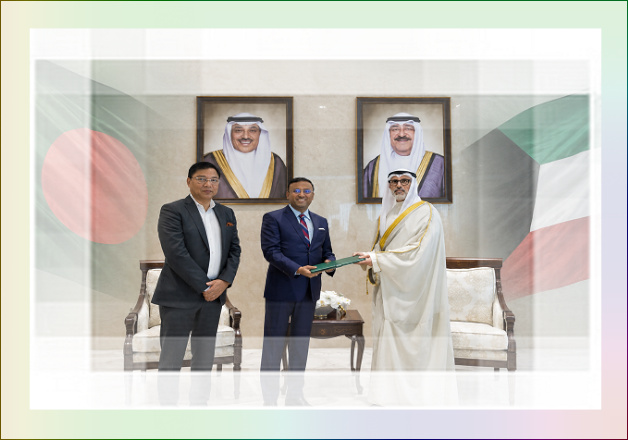
The involvement of senior officials, including Foreign Affairs Adviser Humaiun Kobir and Kuwait’s Foreign Minister Sheikh Jarrah Jaber Al-Ahmad Al-Sabah, indicates that the food shipment was designed as a high-level diplomatic signal rather than a routine aid delivery. The transfer of a letter from Prime Minister Tarique Rahman to Kuwait’s Emir further elevated the symbolic importance of the engagement.
From Bangladesh’s perspective, Kuwait remains strategically important for several reasons. Beyond labor migration and remittance flows, Gulf countries are increasingly relevant to Bangladesh’s food security cooperation, energy partnerships, aviation connectivity, and investment ambitions. By emphasizing sectors such as trade, manpower, civil aviation, and food security during bilateral discussions, both sides appeared to be broadening the relationship beyond traditional labor diplomacy.
The move may also be interpreted as part of Bangladesh’s broader effort to strengthen its diplomatic visibility in the Gulf at a time when regional politics are rapidly shifting. Amid tensions affecting maritime trade routes and supply chains, Dhaka appears keen to demonstrate that it can contribute constructively to regional stability through practical cooperation rather than political positioning.
Overall, the goodwill consignment serves multiple objectives simultaneously: humanitarian outreach, strategic signaling, economic diplomacy, and relationship-building with a key Gulf ally. While limited in material scale, the gesture carries considerable diplomatic value in the context of an increasingly uncertain regional environment.