Staff Correspondent, Dhaka:
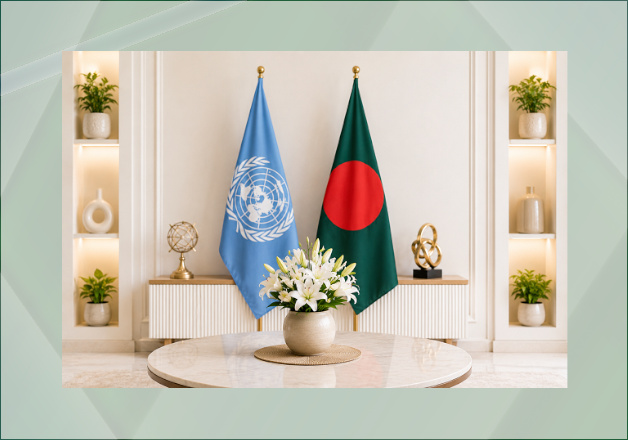
The meeting between United Nations Resident Coordinator in Bangladesh Carol Flore-Smereczniak and Bangladesh Army Chief Waker-Uz-Zaman carries significance beyond diplomatic courtesy, reflecting the continued strategic importance of Bangladesh’s role in United Nations peacekeeping operations and its growing relevance in global security cooperation.
During the meeting at Army Headquarters, the UN resident coordinator praised the Bangladesh Army’s long-standing contribution to UN peacekeeping missions, particularly at a time when global peace operations are facing increasing operational, political, and security challenges. The recognition highlights Bangladesh’s position as one of the world’s leading troop-contributing countries to UN missions, a role that has strengthened the country’s international image and diplomatic standing over the years.
Her tribute to peacekeepers who lost their lives, especially those killed in Abyei in December 2025, also underscored the risks faced by Bangladeshi personnel in volatile conflict zones. Bangladesh’s continued participation despite such casualties demonstrates the country’s sustained commitment to multilateral peace and global security efforts under the UN framework.
The meeting also reflected the growing international emphasis on the Women, Peace and Security (WPS) agenda. The UN official’s praise for Bangladesh’s deployment of female peacekeepers signals recognition of the country’s efforts to align with evolving global peacekeeping priorities that increasingly focus on gender inclusion and community-based peacebuilding. Bangladesh has gradually built a strong reputation in this area, particularly through the participation of female officers in leadership and operational roles in UN missions.
Another notable aspect was the UN coordinator’s acknowledgment of the Bangladesh Army’s role in maintaining internal security since July 2024. The comment suggests that the United Nations is closely observing Bangladesh’s internal stability dynamics while maintaining institutional engagement with the country’s security establishment. Such recognition may also indicate broader international interest in ensuring stability during a sensitive domestic political and economic period.
The assurance of continued UN cooperation for Bangladesh’s development further demonstrates that the relationship between Dhaka and the United Nations extends beyond humanitarian or development assistance and increasingly intersects with peacebuilding, governance, and security cooperation.
Taken together, the meeting reflects how Bangladesh’s peacekeeping contributions continue to serve not only as a military commitment but also as a key pillar of the country’s diplomatic influence, international credibility, and strategic engagement with global institutions.