Special Correspondent, Dhaka:
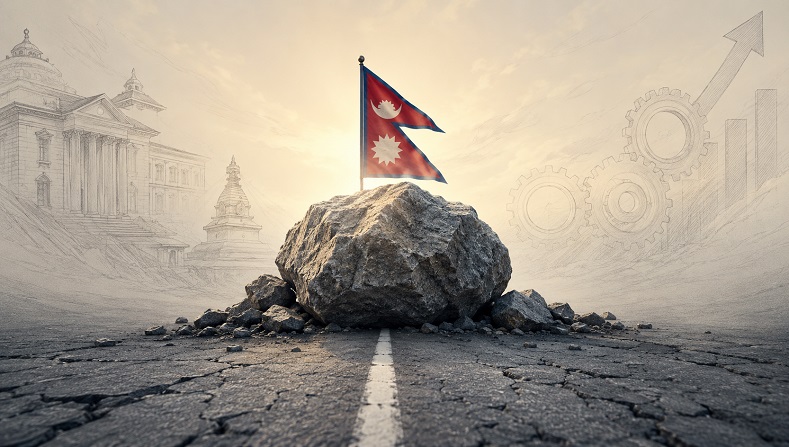
Nepal’s post-transition reform agenda is facing its first serious challenge as the death of ride-sharing driver Prakash Bhusal has exposed the gap between political promises and institutional realities. While the incident has sparked widespread public outrage, its significance extends far beyond one tragic event. It has become a referendum on whether Nepal’s new political leadership can translate its reform commitments into meaningful institutional change.
The government came to power following a wave of public protests that reflected deep frustration with corruption, weak governance, youth unemployment, poor public services and declining trust in traditional political parties. Citizens demanded a more accountable state, transparent institutions and a political culture that prioritized public interest over entrenched bureaucratic practices. Those demands became the foundation of the country’s new political order.
Bhusal’s death has now placed those expectations under unprecedented scrutiny. The immediate controversy revolves around Kathmandu Metropolitan City’s municipal police, whose seizure of his motorcycle allegedly preceded the fatal self-immolation. Allegations that officials failed to respond effectively during the incident have intensified calls for an independent investigation and raised difficult questions about accountability within local government institutions.
Yet the protests are not solely about the conduct of municipal officers. They reflect a broader perception that despite political change at the top, many public institutions continue to operate under the same culture of limited accountability and weak responsiveness. For many Nepalis, especially younger citizens who played an active role in last year’s movement, the incident symbolizes the slow pace of institutional reform.
This presents a critical governance challenge. Political transitions often generate high public expectations, but administrative reforms typically require sustained effort, legislative changes and institutional restructuring. Official assessments already suggest that only a fraction of the government’s planned reforms have been implemented during its initial months in office. The delay has widened the gap between public expectations and visible outcomes.
The Bhusal case demonstrates how a single tragedy can quickly evolve into a broader political crisis when public confidence in institutions remains fragile. Citizens increasingly judge governments not only by policy announcements but by how state institutions respond during moments of crisis. Transparent investigations, fair treatment and institutional accountability have become central measures of political credibility.
For Nepal’s leadership, the response to the current unrest will shape perceptions of its commitment to reform. An independent investigation may address immediate public concerns, but restoring confidence will require broader action to strengthen institutional oversight, improve local law enforcement standards, enhance public service delivery and ensure greater transparency across government.
Ultimately, Nepal’s reform journey is entering a decisive phase. The country’s political transition created hope that governance would become more accountable and citizen-centered. Whether that promise can be fulfilled will depend not on political rhetoric, but on the government’s ability to deliver lasting institutional reforms. The current crisis may therefore become the defining test of whether Nepal’s new political order represents genuine transformation or simply a change in leadership without fundamental change in governance.