Sadik Sagar, Dhaka:
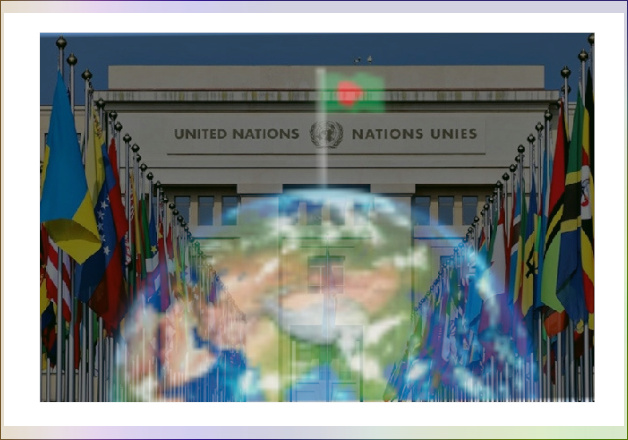
Bangladesh has achieved two significant international victories within days, underscoring its growing diplomatic profile and strengthening its position in global multilateral institutions. The election of Foreign Minister Khalilur Rahman as president of the 81st session of the United Nations General Assembly (UNGA) and the unanimous election of Bangladesh as a vice president of the 114th International Labor Conference (ILC) represent more than ceremonial successes. Together, they reflect increasing international confidence in Bangladesh’s diplomatic engagement, policy credibility, and leadership on global issues.
The UNGA presidency election was particularly notable because Bangladesh entered the race with less than three months of active campaigning, while Cyprus had maintained its candidacy for nearly a decade. Securing 99 votes against Cyprus’s 91 demonstrated Bangladesh’s ability to mobilize broad-based support across diverse regional and political groupings within the United Nations. The result suggests that many member states viewed Bangladesh as a credible representative of developing countries and an effective advocate for multilateral cooperation.
A key factor behind the victory was Bangladesh’s intensive diplomatic outreach. Through bilateral consultations, strategic engagements, and high-level meetings with all 193 UN member states, Dhaka transformed a seemingly difficult contest into a winning campaign. The effort highlighted the effectiveness of coordinated diplomacy and projected Bangladesh as an active rather than passive participant in global governance.
The election also carries symbolic significance. Bangladesh has long championed issues such as climate justice, sustainable development, peacekeeping, and the interests of the Global South. By electing a Bangladeshi diplomat to one of the UN’s most prestigious positions, member states effectively endorsed these priorities at a time when developing nations are demanding a stronger voice in international decision-making.
Equally important was Bangladesh’s unanimous election as a vice president of the International Labor Conference in Geneva. The endorsement by delegates from 187 member states reflects recognition of the country’s growing role in global labor governance. As one of the world’s largest labor-exporting nations and a major manufacturing hub, Bangladesh has become increasingly influential in discussions on workers’ rights, employment standards, and social protection.
The two victories, taken together, indicate that Bangladesh’s international standing is expanding beyond traditional development narratives. The country is increasingly being viewed as a stakeholder capable of contributing to solutions on global challenges ranging from labor rights and sustainable development to climate resilience and multilateral reform.
Historically, Bangladesh’s successful election to the UN Security Council in 1978 marked an important milestone in its diplomatic evolution. Nearly five decades later, these latest achievements suggest that the country is once again demonstrating its capacity to translate diplomatic ambition into tangible international influence. As global institutions seek greater inclusivity and representation, Bangladesh appears increasingly well-positioned to play a more prominent role on the world stage.