Staff Correspondent, Dhaka:
The government’s renewed “zero tolerance” stance against illegal migration signals a tougher and more coordinated policy approach as Bangladesh faces growing international scrutiny over irregular migration routes and migrant deaths in the Mediterranean.
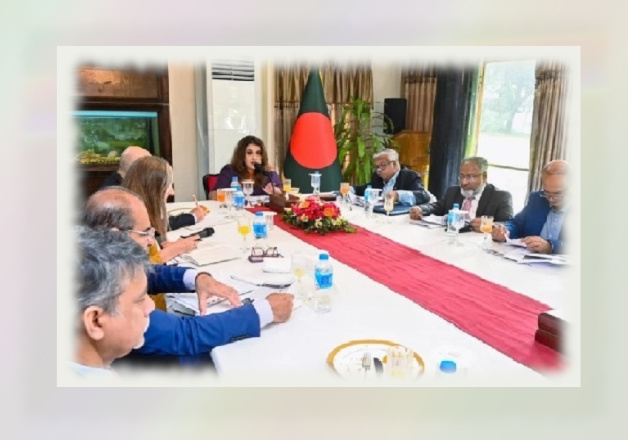
At a high-level meeting on migration and mobility chaired by State Minister for Foreign Affairs Shama Obaed Islam, the government made clear that human trafficking networks facilitating irregular migration would face stricter legal action. The meeting came in the aftermath of recent deaths of Bangladeshi migrants attempting to reach Europe through the Bangladesh–Libya–Italy route, a corridor that has increasingly become associated with dangerous and exploitative trafficking operations.
Analytically, the government’s position reflects both humanitarian and diplomatic pressures. Rising fatalities involving Bangladeshi migrants abroad not only expose weaknesses in migration governance but also risk affecting Bangladesh’s labor diplomacy with European countries. By publicly reinforcing a “zero tolerance” policy, Dhaka appears intent on demonstrating greater accountability and responsiveness to international partners, particularly the European Union.
The participation of the Italian ambassador, Libya’s chargé d’affaires and the International Organization for Migration highlights the international dimension of the issue. Italy’s warning that the European Union will introduce stricter asylum and migration regulations from June adds urgency for Bangladesh to reduce irregular migration flows before access to legal status in Europe becomes even more restrictive.
The discussion also reflected a policy shift from reactive enforcement to preventive migration management. Officials stressed the importance of creating safer and more structured migration pathways through skill development, language training and better alignment between workforce preparation and overseas labor market demands. This indicates recognition that enforcement alone will not solve the problem unless legal migration opportunities become more accessible and economically viable.
Another significant aspect was the emphasis on employment-guaranteed migration frameworks in cooperation with destination-country employers. Such models could help reduce dependence on illegal brokers and trafficking syndicates by connecting workers directly with verified overseas jobs.
The government’s stronger rhetoric against trafficking networks also carries domestic political significance. Human smuggling syndicates have long operated through complex transnational channels involving recruiters, brokers and criminal intermediaries. Effective implementation of the “zero tolerance” policy will therefore depend on stronger law enforcement coordination, financial monitoring and regional cooperation.
At a broader level, Bangladesh is attempting to balance two competing realities: maintaining overseas employment opportunities that remain vital for remittance inflows while addressing international concerns over irregular migration and migrant protection.
The meeting’s consensus on promoting “humane, regular and rights-based migration practices” suggests Dhaka is increasingly framing migration not only as a labor issue but also as a governance and human security challenge requiring sustained diplomatic, economic and institutional coordination.