
AIP Wire Report, New York:
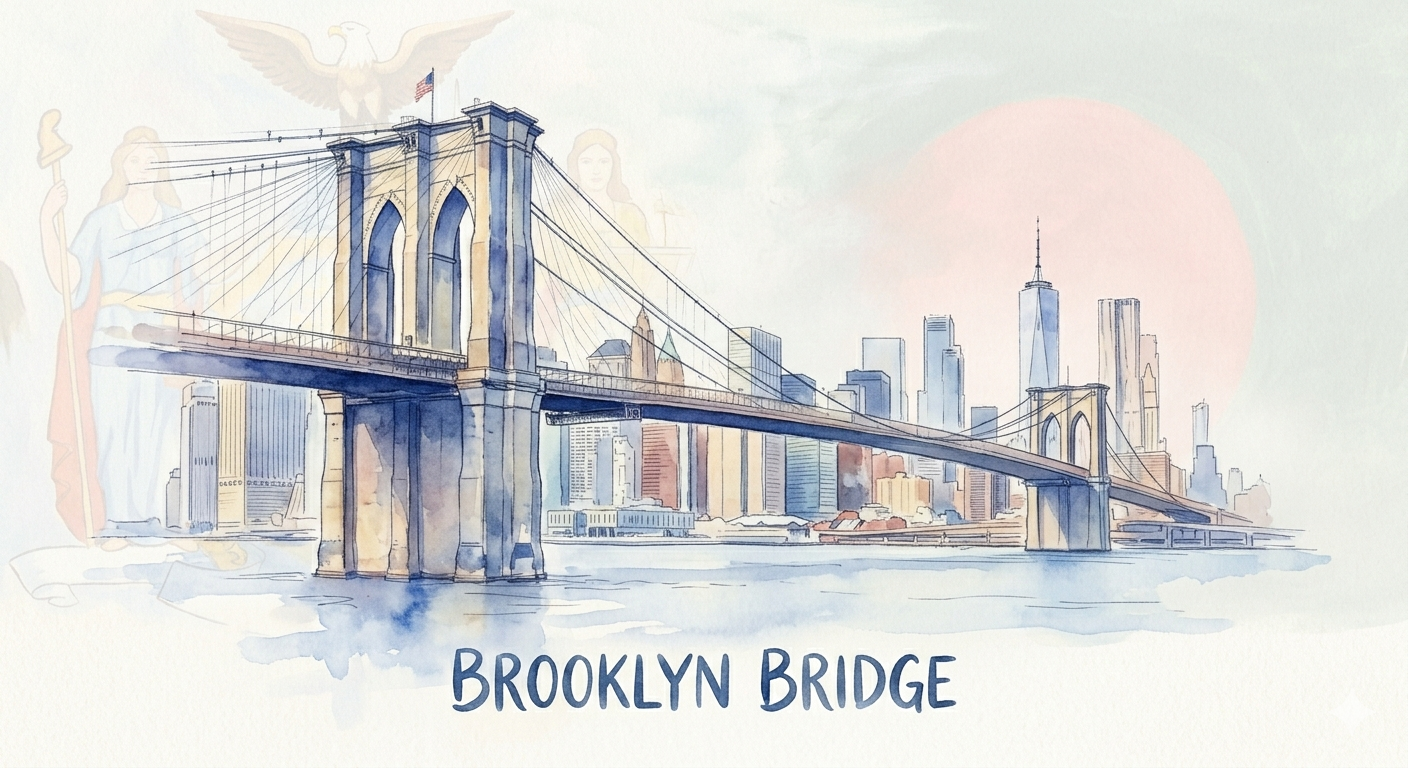
New York City has announced a major street redesign project aimed at improving bike and pedestrian access to the iconic Brooklyn Bridge, as part of broader preparations for the upcoming FIFA World Cup 2026.
Mayor Zohran Kwame Mamdani and New York City Department of Transportation Commissioner Mike Flynn on March 27 announced that construction will begin this spring, with completion expected before the tournament kicks off in June. The project focuses on the Manhattan-side entrance of the bridge, one of the most congested pedestrian and cycling zones in the city.
At the heart of the redesign is the creation of a dedicated bike connection along Centre Street, which will, for the first time, fully separate cyclists and pedestrians both on and approaching the bridge. Officials say this will significantly reduce congestion and enhance safety for the tens of thousands who use the crossing daily.
“Safe and accessible streets for all remain a core priority,” Mayor Mamdani said, noting that the redesign reflects the city’s commitment to accommodating increased global attention during the World Cup while improving everyday mobility for residents.
The initiative builds on a 2021 effort by the NYC DOT that introduced a protected two-way bike lane on the bridge’s roadway, separating cyclists from pedestrians. That change led to a sharp rise in cycling activity, with daily ridership more than doubling—from around 2,600 cyclists in 2021 to over 5,600 in 2025.
Despite these improvements, bottlenecks persisted at the Manhattan entrance, where pedestrians and cyclists still shared limited space. The new plan addresses this issue directly, introducing clearer pathways and doubling the width of the southern crosswalk connecting the bridge to City Hall Park.
City officials estimate that nearly 30,000 pedestrians and over 5,600 cyclists use the bridge daily, underlining the urgency of the redesign. With millions of visitors expected during the World Cup, authorities say the upgrade is both timely and necessary.
The project is part of a wider urban mobility push across Manhattan. Planned improvements include expanded sidewalks and bike lanes along Ninth Avenue in Hell’s Kitchen and enhanced cycling connections to Union Square via Lafayette Street.
Local leaders and transport advocates have welcomed the move, describing it as a long-overdue fix to a chaotic and potentially hazardous entry point. Many see it as a lasting investment that will outlive the World Cup, helping to create a safer, more efficient and pedestrian-friendly city.
As New York prepares to host a global audience, the redesign signals a broader shift toward sustainable and people-centered urban infrastructure.