
Senior Correspondent, Dhaka:
Bangladesh has reported the deaths of 14 of its nationals amid the ongoing Middle East conflict, underscoring the humanitarian consequences of regional hostilities and the growing risks faced by migrant workers. Dhaka has called for restraint, the protection of civilians, and a renewed commitment to dialogue and diplomacy to prevent further loss of life.
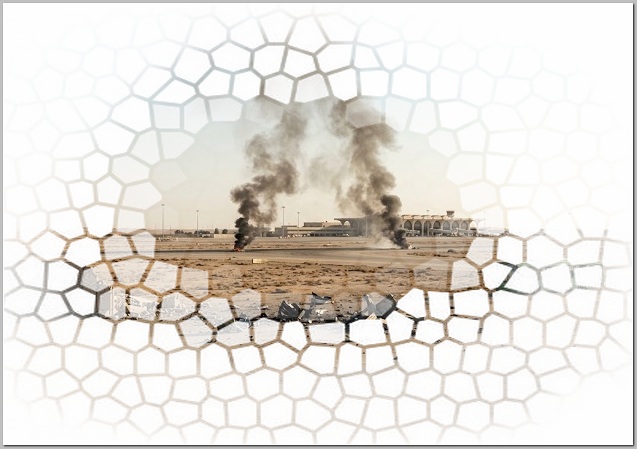
Two Bangladeshis were killed and four others critically injured in an attack on King Khalid International Airport in Riyadh on October 10, State Minister for Foreign Affairs Shama Obaed Islam said. The injured are receiving treatment in the intensive care unit at King Khalid Hospital, while Bangladeshi and Saudi authorities are working to verify the identities of those affected.
Speaking to journalists at the Ministry of Foreign Affairs, Shama said information received from Saudi authorities through Bangladesh’s diplomatic mission in Riyadh indicated that the overall death toll from the incident had reached 12, with more than 300 people injured. The identities and nationalities of all casualties were still being verified.
Dhaka has strongly condemned the attack, which it attributed to the Houthi movement, describing attacks that endanger civilians and civilian infrastructure as unacceptable. The Foreign Ministry has called for an immediate cessation of hostilities and urged all parties to prioritize diplomatic engagement over further escalation.
Bangladesh has also expressed solidarity with Saudi Arabia and conveyed condolences to the bereaved families. Its response reflects the country’s longstanding emphasis on civilian protection and the importance of regional stability for the safety and well-being of its citizens working abroad.
The mounting casualties highlight Bangladesh’s exposure to instability in the Middle East, home to a substantial number of Bangladeshi migrant workers. Any further deterioration in regional security could place additional lives at risk, disrupt employment and travel, and deepen uncertainty for families dependent on overseas earnings.
The consequences extend beyond the immediate humanitarian toll. Bangladesh relies heavily on remittances from its expatriate workforce, making the safety of migrant workers an important economic as well as diplomatic concern. Continued hostilities could also complicate consular assistance, travel arrangements, and the delivery of essential services to affected communities.
For Dhaka, the immediate task is to support affected families, maintain close coordination with the Saudi authorities, and monitor developments affecting its nationals across the region.
As the conflict continues, Bangladesh’s diplomatic challenge will be to safeguard its citizens while consistently advocating de-escalation, respect for civilian life, and a peaceful resolution of regional tensions. The government’s response will depend not only on effective consular coordination but also on sustained diplomatic efforts to prevent further casualties among civilians and migrant workers.