Staff Correspondent, Dhaka:
Bangladesh and South Korea have signaled a renewed commitment to deepening economic cooperation, with discussions centered on expanding trade, attracting investment and accelerating negotiations on a Comprehensive Economic Partnership Agreement (CEPA). The latest engagement reflects Dhaka’s broader strategy of diversifying foreign investment while preparing for a more competitive post-LDC economy.
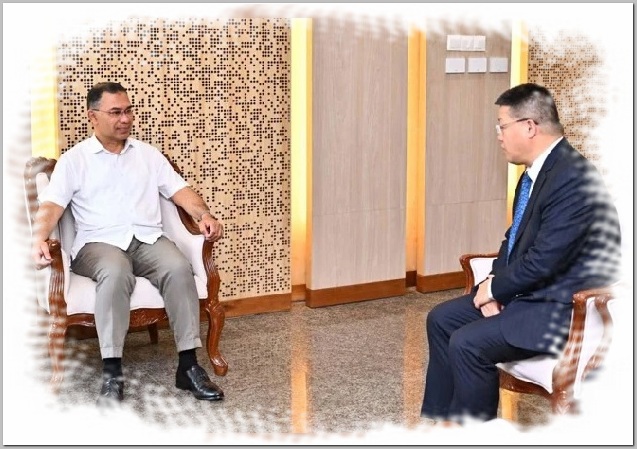
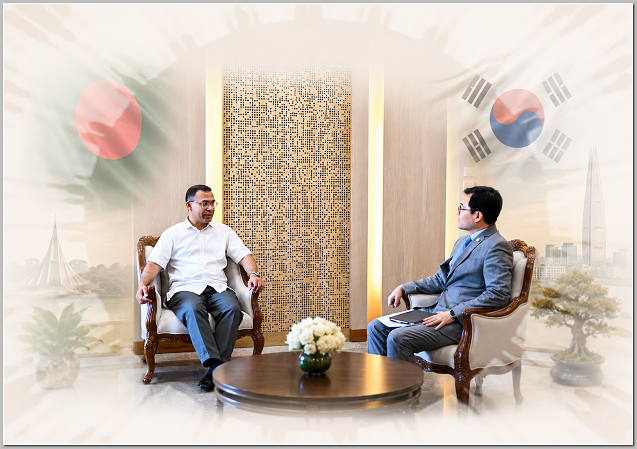
Prime Minister Tarique Rahman reaffirmed Bangladesh’s interest in strengthening bilateral ties during a meeting with South Korean Trade Minister Yeo Han-koo in Dhaka on Monday. He also invited South Korean President to visit Bangladesh at a mutually convenient time, underlining the government’s intention to elevate political and economic engagement with Seoul.
A key focus of the meeting was the proposed CEPA, which both sides believe could significantly boost bilateral trade and create new investment opportunities. For Bangladesh, the agreement is particularly important as the country seeks preferential market access and stronger economic partnerships ahead of its graduation from the Least Developed Country (LDC) category.
The discussions also reflected Bangladesh’s shift towards higher-value industries. Prime Minister Tarique Rahman encouraged South Korean companies to invest in sectors such as electronics, telecommunications, automobiles, semiconductors, toys and shipbuilding, identifying these industries as future growth drivers for the country’s economy.
One of the most strategic proposals involved cooperation in the shipbuilding sector. While South Korea possesses global expertise in shipbuilding, Bangladesh offers a growing workforce with competitive labour costs. Dhaka’s proposal to establish Korean-supported technical and language training centers could help bridge the skills gap while creating employment opportunities for Bangladeshi workers in both domestic and international markets.
The meeting also highlighted Bangladesh’s efforts to improve its investment climate. Government initiatives aimed at simplifying investment procedures and organizing business seminars with South Korean companies indicate a more proactive approach to attracting foreign direct investment.
Overall, the discussions suggest that Bangladesh is looking beyond traditional trade relations and seeking long-term industrial partnerships that combine investment, technology transfer, workforce development and market access. If the CEPA negotiations progress successfully, the agreement could become a cornerstone of Bangladesh-South Korea economic relations and support Bangladesh’s ambitions for sustainable industrial growth.