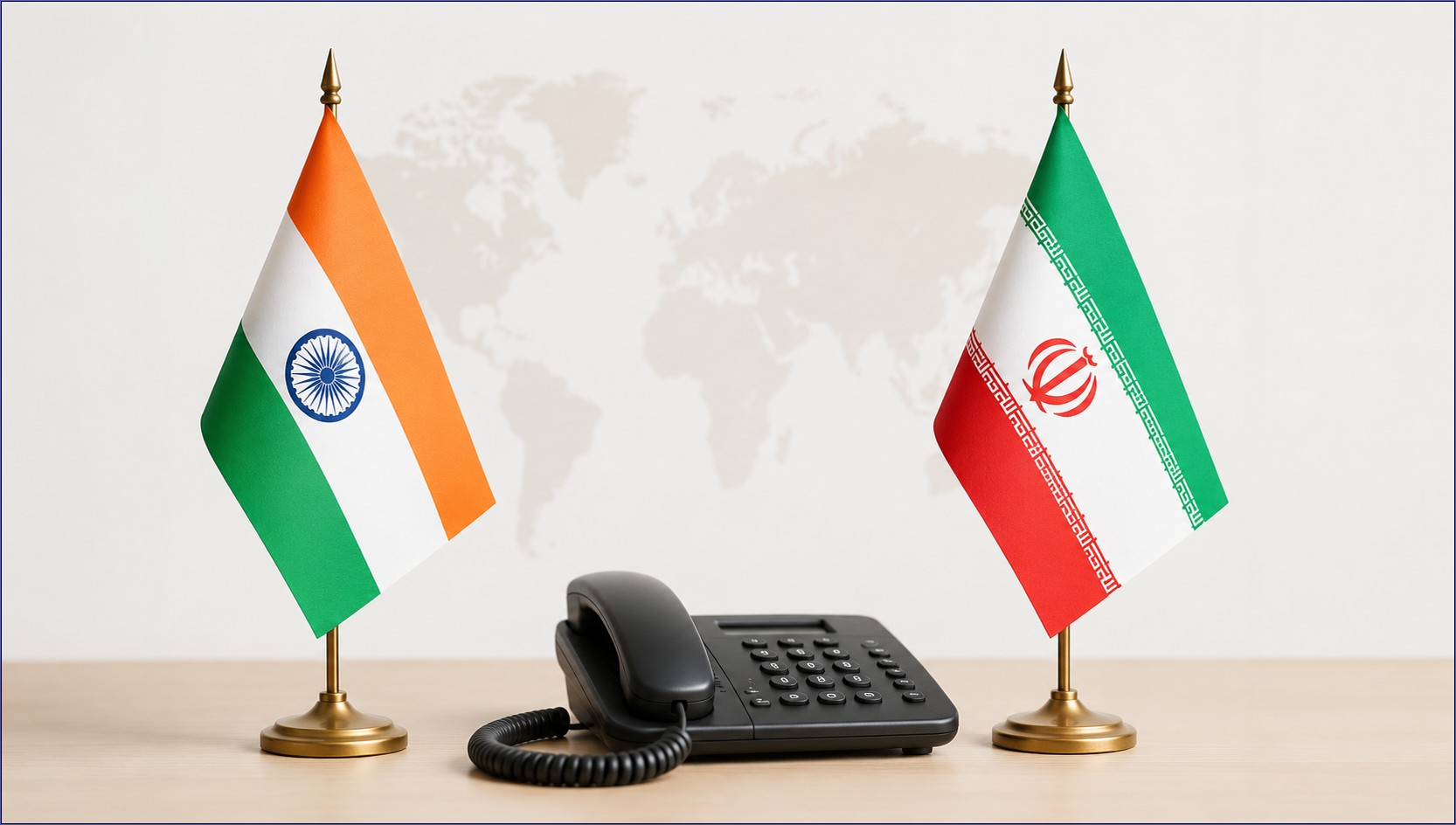
AIP Wire Analysis — NEW YORK: Indian External Affairs Minister S. Jaishankar’s appeal to Iranian Foreign Minister Abbas Araghchi not to target commercial vessels or seafarers during the ongoing regional tensions. This carries a significance beyond a routine diplomatic exchange. The message reflects India’s growing effort to protect its strategic and economic interests. Also maintaining balanced relations with competing powers in the Middle East.
India has traditionally maintained cordial diplomatic relations with Iran despite expanding strategic partnerships with the United States, Israel, and several Gulf countries. By directly conveying concerns to Tehran rather than issuing public criticism alone, New Delhi demonstrated that it continues to value dialogue with Iran while making clear that attacks on civilian shipping would be unacceptable.
The issue is particularly important for India because a substantial portion of its energy imports and international trade passes through maritime routes connected to the Persian Gulf and the Strait of Hormuz. Any disruption to commercial shipping could increase energy prices, raise transportation costs, and affect supply chains, directly impacting India’s economy. Thousands of Indian nationals also serve as crew members on merchant vessels operating across international waters, making their safety an important concern for the Indian government.
Jaishankar’s message also reflects India’s broader foreign policy approach of strategic autonomy. Rather than aligning itself completely with one geopolitical bloc, India has sought to maintain working relationships with countries that often stand on opposing sides of regional conflicts. This allows New Delhi to communicate directly with multiple governments during times of crisis while promoting stability and protecting its national interests.
From a regional perspective, India’s communication with Tehran suggests that New Delhi increasingly sees itself as a responsible stakeholder in maintaining secure maritime trade routes. The protection of commercial shipping has become an international concern affecting not only countries directly involved in regional conflicts but also global trade and energy markets.
The diplomatic message may also carry greater credibility because it comes from a country that has not adopted an openly hostile position toward Iran. Unlike governments that already have strained relations with Tehran, India continues to maintain diplomatic engagement, making its appeal more representative of the concerns of countries seeking regional stability rather than confrontation.
While the conversation does not indicate a change in India’s overall relationship with Iran, it demonstrates that New Delhi is prepared to speak candidly with friendly partners when its strategic interests are at stake. The exchange highlights India’s increasing diplomatic confidence and reinforces its position as a country seeking to balance regional partnerships, protect international commerce, and support the principle of safe navigation through one of the world’s most important maritime corridors.