
Staff Correspondent, Dhaka:
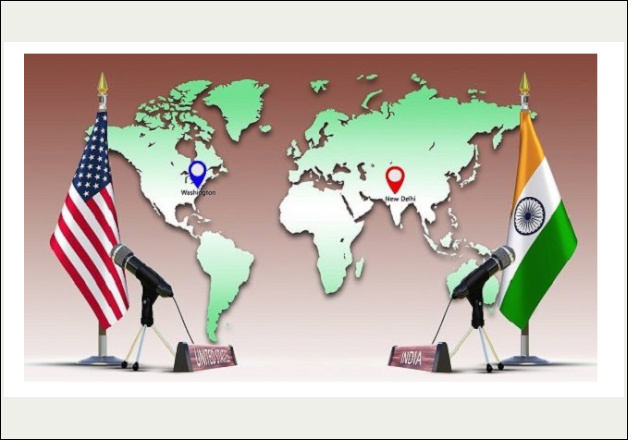
The deaths of three Indian sailors in US military strikes on commercial vessels near Oman have introduced an unexpected challenge into the otherwise strong strategic relationship between India and the United States. While the two countries have significantly expanded cooperation in defense, technology, and regional security in recent years, the incident demonstrates how conflicts in the Gulf can create diplomatic complications even among close partners.
India’s decision to lodge a formal protest through Foreign Minister Subrahmanyam Jaishankar’s call with US Secretary of State Marco Rubio and the summoning of a senior American diplomat in New Delhi reflects the seriousness of the issue. New Delhi’s response was not merely about the loss of three lives but also about protecting the principle of maritime safety in one of the world’s most critical shipping corridors.
The incident comes amid rising tensions in the Gulf, where military actions linked to the broader confrontation involving Iran, the United States and its allies have increasingly affected commercial shipping. Several merchant vessels with Indian crew members have been caught in the crossfire, highlighting the risks faced by civilian sailors operating in conflict-prone waters. For India, which supplies one of the largest pools of merchant seafarers in the world, the issue carries both humanitarian and strategic significance.
Jaishankar’s protest was carefully worded. While he strongly objected to the attacks on commercial vessels and described such actions as unjustified, he avoided broader criticism of the United States. This suggests that India is seeking accountability and assurances regarding maritime safety without allowing the incident to damage the wider bilateral relationship. It reflects New Delhi’s long-standing foreign policy approach of protecting national interests while maintaining strategic partnerships.
The episode also highlights India’s growing dependence on secure sea lanes. A significant portion of India’s energy imports passes through the Gulf and the Strait of Hormuz. Any disruption to maritime traffic affects not only Indian sailors but also India’s economic and energy security. This explains why New Delhi has repeatedly emphasized the importance of freedom of navigation and the protection of civilian shipping.
For the United States, the incident presents a diplomatic challenge. As Washington pursues its security objectives in the Gulf, unintended civilian casualties involving citizens of partner countries can generate political and diplomatic costs. Managing India’s concerns will therefore be important for preserving the momentum in bilateral ties.
Ultimately, the crisis underscores a broader reality: as geopolitical rivalries intensify in the Gulf, neutral commercial actors are increasingly exposed to military risks. India’s response signals that even close strategic partnerships have limits when the safety of its citizens and economic interests are at stake. How both countries handle the aftermath will be an important test of the resilience and maturity of the India-US partnership.