Senior Correspondent, Dhaka:
The United States Embassy in Dhaka’s decision to process all categories of immigrant visa applications within two business days marks a significant administrative shift that could reshape the experience of Bangladeshi applicants seeking permanent migration opportunities in the United States. While the announcement primarily reflects an operational improvement, its implications extend to migration trends, public perception, and bilateral people-to-people ties.
For years, visa applicants in many countries, including Bangladesh, have faced delays caused by pandemic-era backlogs, rising application volumes, and staffing constraints. By committing to a two-day processing timeline for immigrant visas, the embassy is signaling confidence in its capacity to manage demand more efficiently and deliver faster services to eligible applicants.
The move is likely to be welcomed by thousands of Bangladeshis pursuing family reunification, employment-based immigration, or other permanent residency pathways. Faster processing reduces uncertainty for applicants, allowing families and individuals to make critical financial, educational, and professional decisions with greater predictability.
Beyond administrative efficiency, the decision may also strengthen perceptions of accessibility and responsiveness within the US immigration system. At a time when global competition for skilled workers and talent is intensifying, streamlined visa services can enhance the attractiveness of the United States as a destination for migrants seeking long-term opportunities.
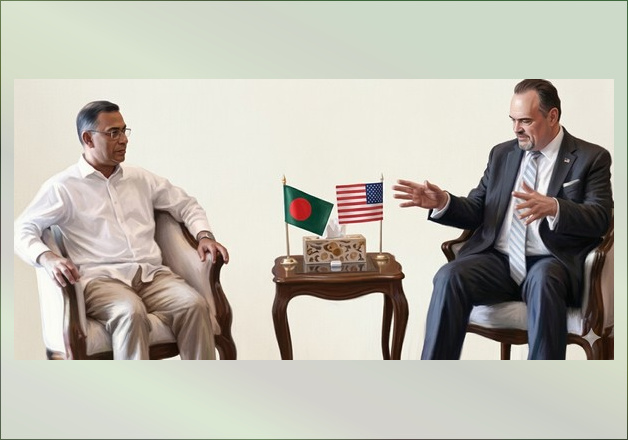
The announcement also carries broader diplomatic significance. Educational, professional, and family connections have long served as an important pillar of Bangladesh-US relations. Facilitating smoother immigration processes can contribute to deeper people-to-people engagement, which often remains resilient even during periods of political or policy differences between governments.
However, the impact of the initiative will ultimately depend on consistent implementation and whether related stages of the immigration process maintain similar efficiency. If successfully sustained, the new directive could become a model for improving visa services while reinforcing the United States’ image as a country committed to facilitating lawful immigration.
In essence, the policy reflects more than a procedural adjustment; it represents an effort to modernize service delivery, reduce applicant burdens, and strengthen one of the most enduring dimensions of Bangladesh-US relations—human mobility and cross-border opportunity.