Sagar Rahman, Dhaka:
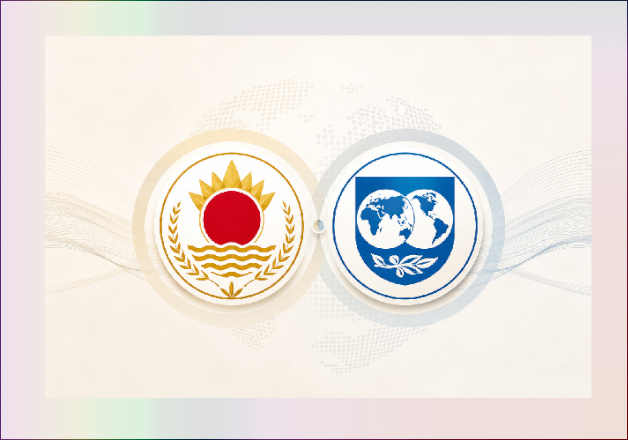
The Bangladesh government’s reported decision to move away from the existing IMF loan program and pursue a new $5 billion package signals an important shift in its economic management strategy amid growing differences over reform priorities and implementation approaches.
According to finance ministry sources, the government has proposed ending the current IMF arrangement and initiating discussions for a fresh program with revised terms and a shorter three-to-four-year structure. The move follows prolonged disagreements over structural reforms tied to the existing facility, originally approved in 2023 under the previous Awami League administration.
The current IMF program was designed around a series of fiscal, banking and revenue-sector reforms aimed at strengthening macroeconomic stability. These included proposals for a uniform 15% VAT rate, reduction of tax exemptions, subsidy rationalization, banking sector restructuring and the adoption of a market-based exchange rate system.
However, officials say implementation has slowed due to concerns over the potential economic and social impact of some measures. The government appears cautious about pursuing reforms that could increase public pressure at a time when inflation, subsidy costs and broader economic challenges remain sensitive issues.
The latest development also reflects differences over institutional reforms in the banking and revenue sectors. The IMF reportedly expressed concerns regarding changes to the Bank Resolution Act and the government’s move to repeal the restructuring of the National Board of Revenue introduced during the interim administration. Development partners view these reforms as important components of long-term financial governance and transparency.
At the same time, the government maintains that policy reforms must align with domestic economic realities and electoral commitments. Finance Minister Amir Khosru Mahmud Chowdhury recently stated publicly that certain IMF conditions are not fully suitable for Bangladesh’s economy and social context.
Despite the differences, both sides appear interested in maintaining engagement. Sources indicate that the IMF has shown preliminary openness to discussing a new program framework, while an IMF mission is expected to visit Dhaka later this year to continue negotiations.
The importance of continued IMF cooperation remains significant for Bangladesh. Beyond direct financial support, an active IMF program is widely viewed as a signal of economic stability for international investors and development partners. It also helps facilitate additional budgetary assistance from institutions such as the World Bank and the Asian Development Bank.
Bangladesh’s external financing requirements are expected to remain substantial in the coming years as the government seeks to manage foreign exchange pressures, maintain development spending and support economic recovery.
The proposed new arrangement therefore appears less like a withdrawal from IMF engagement and more like an attempt to renegotiate the pace, structure and conditions of reforms under a revised economic framework.