Senior Correspondent, Dhaka:
Bangladesh’s latest diplomatic outreach to the United Kingdom and Switzerland on media governance reflects an emerging policy shift toward balancing press freedom with the growing challenge of misinformation, digital manipulation, and AI-driven content risks.
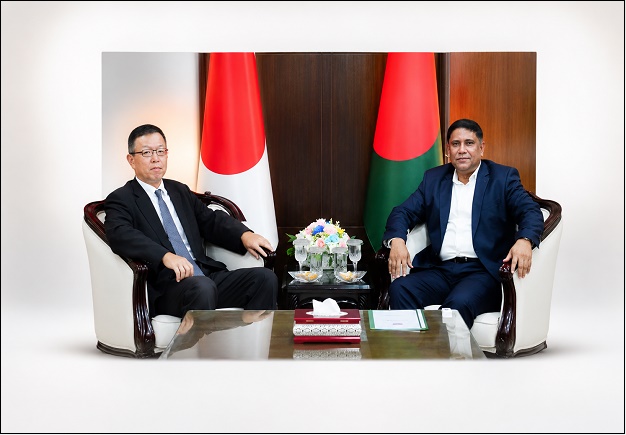
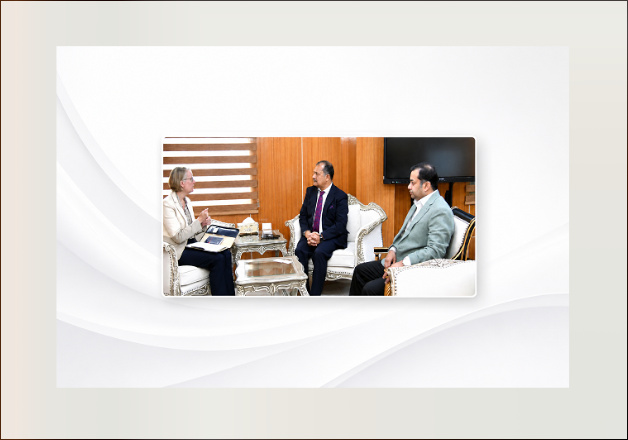
During separate meetings with British High Commissioner Sarah Cooke and Swiss Ambassador Reto Renggli, Information and Broadcasting Minister Zahir Uddin Swapon reiterated the government’s commitment to ensuring media freedom while simultaneously strengthening institutional mechanisms to address disinformation. The discussions suggest that Dhaka is increasingly viewing media regulation not merely as a domestic issue, but as part of a broader global governance challenge requiring international cooperation and technological adaptation.
A key development is the government’s move to establish a Media Commission, which could become a significant institutional platform for redefining Bangladesh’s media policy framework. Analysts believe the initiative signals an attempt to modernize regulatory structures amid rapid digital transformation and rising public scrutiny over information integrity, journalistic independence, and online accountability.
The government’s interest in the United Kingdom’s Office of Communications (Ofcom) is particularly noteworthy. Ofcom is internationally recognized for combining media regulation, broadcasting standards, consumer protection, and digital oversight within a structured legal framework. Bangladesh’s effort to study the UK model suggests that Dhaka may be exploring more institutionalized and technically sophisticated approaches to media governance rather than relying solely on traditional state controls.
At the same time, the discussions with Switzerland highlight another growing concern: the intersection of artificial intelligence, misinformation, and national information security. Swiss expertise in digital governance, technology policy, and innovation could support Bangladesh in developing verification systems and modern regulatory tools capable of addressing AI-generated misinformation and deepfake-related threats.
The government’s emphasis on combating misinformation also reflects a broader global trend where states are increasingly attempting to regulate digital spaces without appearing to undermine democratic freedoms. In Bangladesh, however, this balance remains politically sensitive. Critics have previously raised concerns over laws and regulatory practices that they argue could restrict journalistic freedom and free expression. As a result, the credibility and independence of any future Media Commission will likely determine whether the reform agenda is viewed as progressive institutional modernization or expanded regulatory oversight.
The involvement of the State Minister for Information and Broadcasting in discussions surrounding AI and information security further indicates that Bangladesh is beginning to frame media regulation within the larger context of technological disruption and cyber resilience.
Overall, the developments suggest Bangladesh is attempting to reposition its media and digital governance framework in line with evolving international standards while navigating the complex political realities surrounding press freedom, regulation, and technological change.