Special Correspondent, Dhaka:
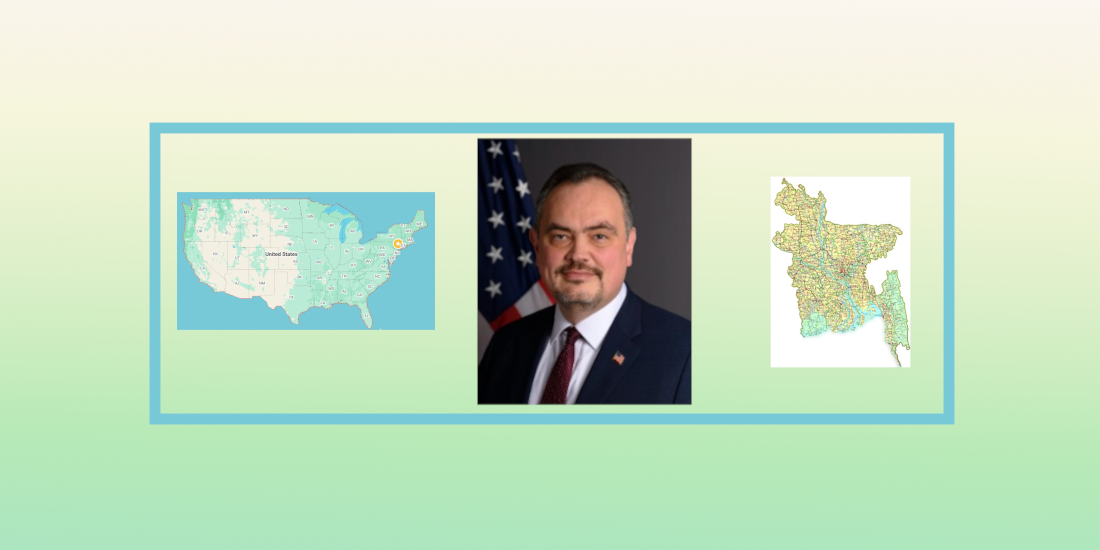
The recent engagements between US Ambassador to Bangladesh Brent T. Christensen and leading American energy executives reflect a broader US strategy to deepen its economic and strategic presence in Bangladesh through energy, trade, and infrastructure cooperation.
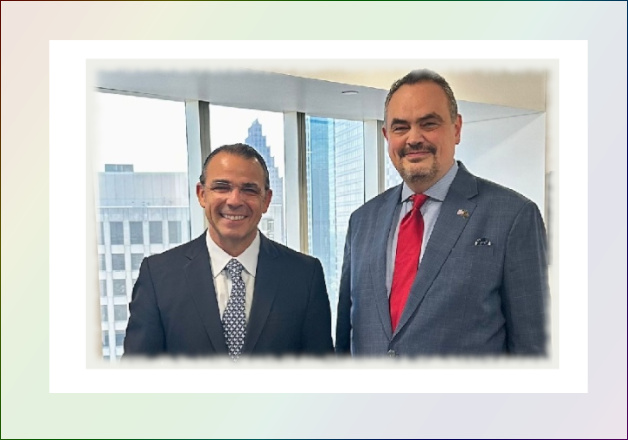
The ambassador’s meetings with Chevron President Javier La Rosa and Excelerate Energy CEO Steven Kobos came at a time when Bangladesh is facing rising energy demand, growing industrialization, and increasing dependence on imported fuel. The discussions focused on natural gas supply, LNG infrastructure, and cleaner energy solutions, signalling Washington’s intent to position American companies as long-term partners in Bangladesh’s energy security.
Chevron’s role remains particularly significant, as the company currently supplies nearly 60 percent of Bangladesh’s natural gas demand. Meanwhile, talks with Excelerate Energy indicate growing US interest in Bangladesh’s expanding LNG market as the country seeks alternatives to domestic gas shortages.
Beyond energy, the developments also highlight a wider economic and geopolitical dimension. Bangladesh’s steady economic growth, strategic location, and expanding consumer market have made it increasingly important in the Indo-Pacific landscape. Through stronger commercial engagement, Washington appears to be reinforcing both its economic influence and strategic partnerships in the region.
This momentum was further reflected in the recent visit of Assistant US Trade Representative Brendan Lynch, who discussed trade expansion, investment opportunities, and market access with Bangladeshi stakeholders. The ongoing implementation of the US-Bangladesh reciprocal trade framework suggests both sides are seeking stronger long-term economic integration.
At a time when Bangladesh is preparing for post-LDC economic realities and searching for sustainable investment and energy solutions, the growing US engagement indicates that economic diplomacy is becoming a central pillar of bilateral relations.