Sadik Sagar, Dhaka:
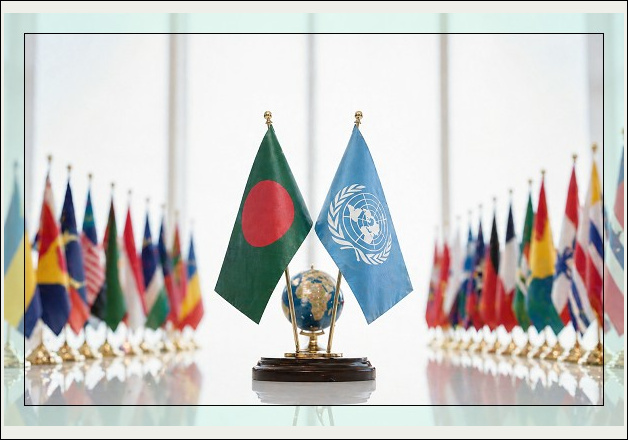
Bangladesh’s engagement at the United Nations is evolving from routine representation to a more assertive and strategic form of diplomacy. Recent initiatives by Bangladeshi diplomats—particularly at UN offices in Geneva—highlight a deliberate effort to promote the newly elected government’s vision while strengthening the country’s influence in global policymaking.
This shift is best captured by the concept of “proactive diplomacy.” Rather than limiting their role to participation and negotiation, Bangladeshi diplomats are increasingly shaping discussions, building alliances, and positioning the country on key global issues such as climate change, sustainable development, and peacebuilding. This reflects a broader recognition that influence in the modern international system depends not only on economic strength but also on the ability to shape narratives and mobilize support within multilateral platforms.
The observance of International Delegates’ Day underscores the importance of such engagement. Delegates play a central role in advancing dialogue and cooperation, serving as the operational backbone of multilateral diplomacy. Bangladesh’s active acknowledgment of this platform signals its commitment to strengthening multilateralism at a time when global cooperation faces increasing strain.
A major pillar of Bangladesh’s diplomatic push is climate advocacy. As one of the countries most vulnerable to climate change, Bangladesh is leveraging UN platforms to push for climate justice, increased financing, and stronger global commitments. This dual positioning—as both a frontline state and a policy advocate—enhances its credibility and influence in international negotiations.
Beyond climate issues, Bangladesh is also expanding its role in discussions on development, human rights, and global health. Active participation across multiple UN agencies allows the country to ensure that its perspectives are reflected in global frameworks, particularly in areas directly affecting developing nations. Maintaining a presence in key UN hubs enables Bangladesh to engage more effectively across diverse policy arenas.
However, this proactive approach comes with challenges. Sustaining influence requires strong institutional capacity, skilled diplomacy, and the ability to navigate complex geopolitical rivalries within the UN system. Additionally, translating diplomatic visibility into tangible outcomes—such as funding, partnerships, or policy shifts—remains a critical test.
Despite these constraints, Bangladesh’s evolving diplomatic posture signals a growing ambition to move from a passive participant to an active shaper of global discourse. By aligning its foreign policy with strategic priorities and leveraging multilateral platforms effectively, Bangladesh is positioning itself as a credible and constructive actor on the world stage.
In essence, the country’s shift toward proactive diplomacy marks a significant step in enhancing its global standing—demonstrating that even medium-sized nations can exert meaningful influence through strategic engagement and multilateral cooperation.