Special Correspondent, Dhaka.
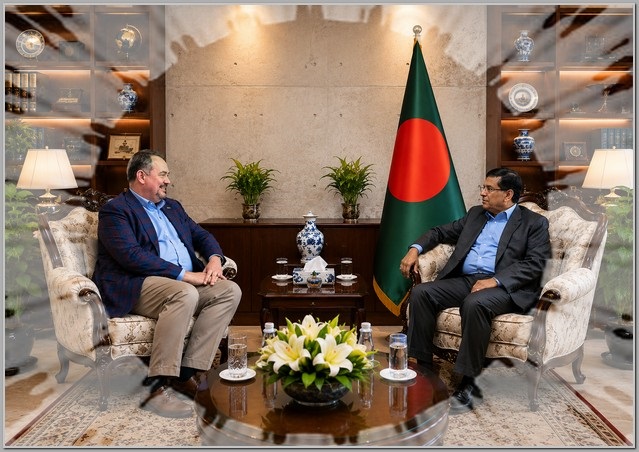
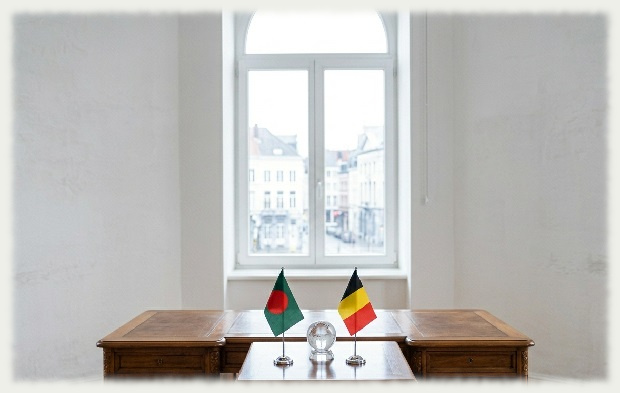
The recent high-level meeting in Brussels between Bangladesh Foreign Minister Dr. Khalilur Rahman and Belgian Deputy Prime Minister Maxime Prévot marks a strategic pivot in Dhaka’s European diplomacy. Beyond the standard diplomatic exchange, this engagement signals a concerted effort by the Prime Minister Tarique Rahman-led administration to rebrand Bangladesh as a high-value investment destination and a transparent democratic partner.
A critical takeaway from the discussions is the shift from traditional trade toward specialized industrial partnerships. By inviting Belgian expertise in port management, logistics, and water management, Bangladesh is looking to solve structural bottlenecks that have historically hindered its export potential. Belgium’s status as a global logistics hub—centered around the Port of Antwerp-Bruges—offers a blueprint for Bangladesh’s own maritime ambitions.
Furthermore, the focus on biotechnology and pharmaceuticals suggests that Dhaka is moving up the value chain. As Bangladesh prepares to graduate from Least Developed Country (LDC) status, securing technological transfers and European investment is essential to maintaining its competitive edge without the crutch of preferential tariffs.
The briefing on democratic developments and institutional strengthening is a calculated move to restore international confidence. For Belgium, an influential EU member, these assurances are vital. The European Union’s “Everything But Arms” (EBA) scheme remains a lifeline for Bangladesh, and the ongoing dialogue regarding labor rights and governance reforms will be the bedrock of future trade stability.
The agreement to hold the third Bangladesh–Belgium consultations later this year provides a formal mechanism to track these commitments. Addressing migration and mobility alongside visa and consular issues indicates a desire for a more integrated relationship that facilitates the movement of skilled professionals—a “soft power” bridge that often precedes hard economic gains.
Ultimately, this meeting was less about immediate signatures and more about strategic alignment, seeking a partnership defined by mutual investment rather than unilateral aid.