Special Correspondent, Dhaka:
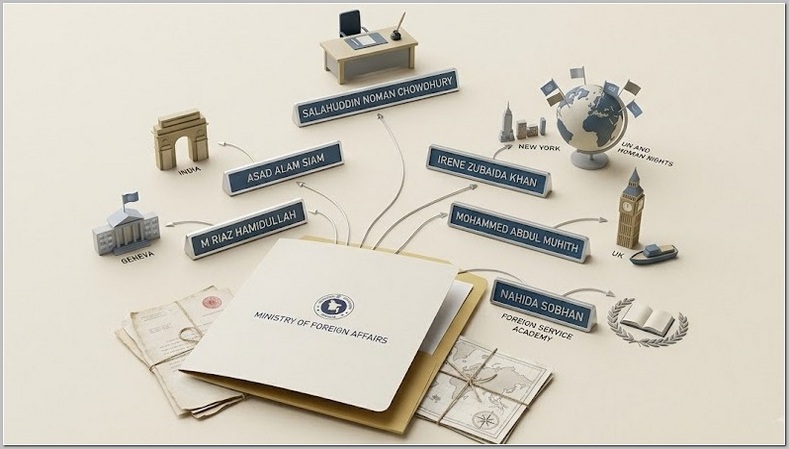
Reinforcing a “Bangladesh First” doctrine, the foreign ministry’s decision to expand its institutional structure marks a significant shift toward more outcome-driven diplomacy. The initiative reflects an understanding that traditional diplomatic frameworks are increasingly insufficient to address the complexity of today’s global challenges.
By introducing new wings and reorganising its operational architecture, the ministry is positioning itself to respond more effectively to cross-cutting issues such as migration, climate change, and transboundary resource management. This structural recalibration is not merely administrative—it signals a transition from reactive diplomacy to proactive, strategy-led engagement.
Particularly notable is the emphasis on migration and expatriate welfare, which aligns with Bangladesh’s economic dependence on remittances. Similarly, the inclusion of cultural and sports diplomacy suggests a soft-power push aimed at strengthening global perception and influence beyond conventional political channels.
The focus on climate and environmental diplomacy is equally strategic, given Bangladesh’s vulnerability to climate risks. Integrating these priorities within the foreign ministry’s core structure indicates an effort to mainstream climate considerations into all diplomatic engagements.
Overall, the expansion reflects a broader ambition: to transform Bangladesh’s foreign policy apparatus into a more agile, coordinated, and impact-oriented system capable of advancing national interests in an increasingly competitive geopolitical landscape.