Scheduled from July 30, the three-day visit comes at a time when Bangladesh is pursuing a more diversified foreign policy under Prime Minister Tarique Rahman.
Senior Correspondent, Dhaka:
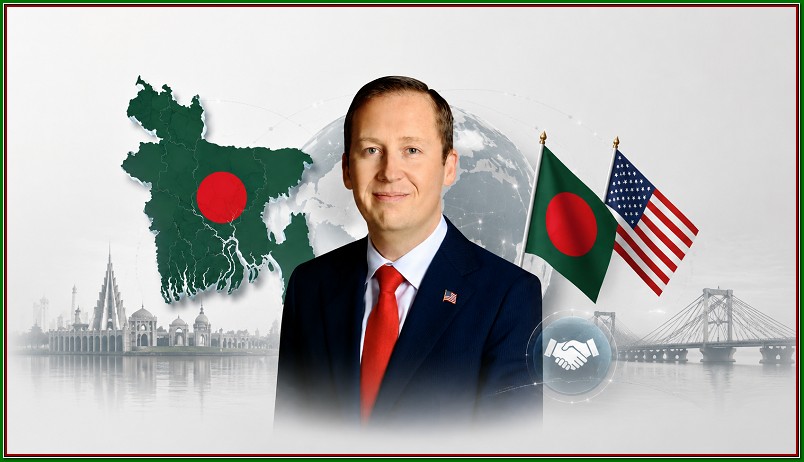
The upcoming visit of US Special Envoy for South and Central Asia Sergio Gor to Bangladesh is officially part of Washington’s ongoing diplomatic engagement with Dhaka. Yet, the timing and context of Sergio Gor Dhaka visit raise a broader question: Is it merely a routine diplomatic mission, or does it signal a strategic reset in US policy toward Bangladesh?
Scheduled from July 30, the three-day visit comes at a time when Bangladesh is pursuing a more diversified foreign policy under Prime Minister Tarique Rahman. Dhaka has recently strengthened engagements with China, Russia, Turkey and the European Union, while also seeking to stabilize relations with neighboring India. These developments have attracted growing attention from major powers, particularly the United States, which views Bangladesh as an increasingly important player in the Indo-Pacific and South Asian geopolitical landscape.
Sergio Gor is expected to meet Prime Minister Tarique Rahman, Foreign Minister Khalilur Rahman and representatives of political parties, civil society and professional groups. His planned visit to the Rohingya refugee camps in Cox’s Bazar also signals that humanitarian cooperation remains an important pillar of bilateral relations. However, diplomats believe the discussions will extend well beyond these formal engagements.
The visit follows a series of high-level exchanges between Dhaka and Washington, including visits by US Assistant Secretary of State Paul Kapur and Assistant US Trade Representative Brendan Lynch earlier this year. Against this backdrop, Gor’s mission appears less about introducing a new agenda and more about assessing the direction of Bangladesh’s evolving foreign policy.
Three issues are likely to dominate discussions. The first is Bangladesh’s expanding partnership with China following the Prime Minister’s Beijing visit. As strategic competition between Washington and Beijing intensifies, the United States is expected to seek greater clarity on how Dhaka intends to balance its economic cooperation with China while maintaining strong relations with Western partners.
The second concerns trade and economic cooperation. The recently concluded Agreement on Reciprocal Trade (ART) has added a strategic dimension to bilateral economic ties, particularly regarding Bangladesh’s future trade agreements with non-market economies. Washington is likely to assess how Dhaka plans to navigate these commitments without compromising its broader economic interests.
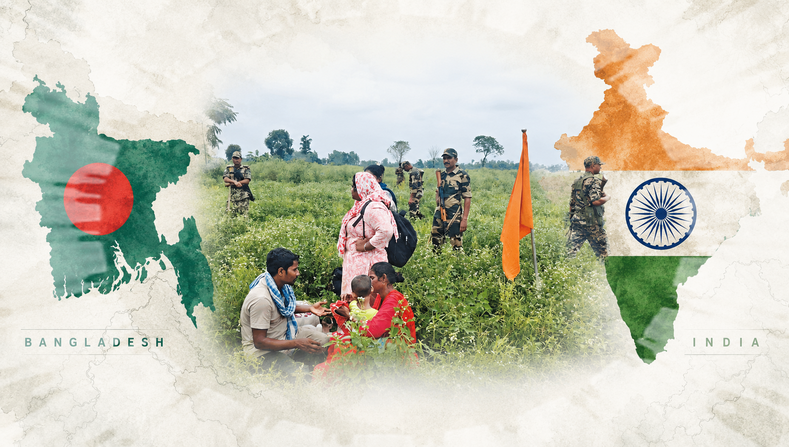
The third relates to regional diplomacy, especially Bangladesh’s relationship with India. Although contacts between the two neighbors continue, recent political developments have introduced new complexities. Understanding Dhaka’s approach to regional balance and neighborhood diplomacy is expected to be an important objective of the visit.
Whether Sergio Gor Dhaka visit ultimately marks a strategic reset or simply reinforces existing engagement will depend on the substance of the discussions rather than the symbolism of the visit itself. Even so, the mission reflects a clear reality: Bangladesh’s growing geopolitical importance means its foreign policy choices are being watched more closely than ever. The visit is therefore best understood not as an isolated diplomatic event, but as part of a broader effort by Washington to evaluate its long-term partnership with an increasingly influential regional actor.