AIP Wire Report, Dhaka:
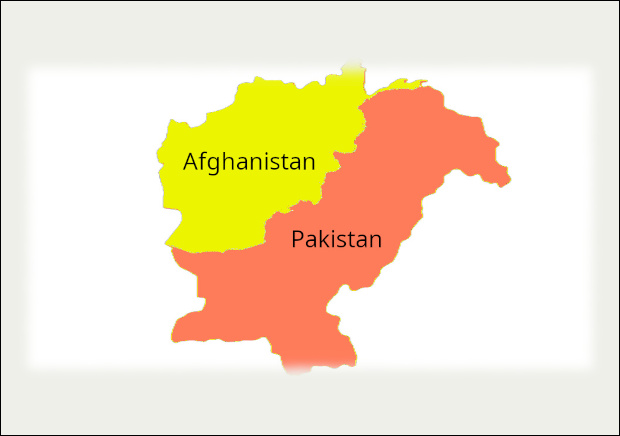
Pakistan and Afghanistan’s agreement to pause hostilities during Eid-ul-Fitr offers a brief humanitarian respite in an increasingly volatile conflict, but analysts warn the truce underscores, rather than resolves, the deepening mistrust between the two neighbours.
The temporary halt, announced on March 18, follows one of the deadliest escalations in recent weeks, including reported Pakistani airstrikes in Kabul that left large numbers of casualties. While both Islamabad and Kabul agreed to the ceasefire at the request of regional actors such as Saudi Arabia, Qatar and Turkey, the underlying drivers of the conflict remain firmly in place.
At the core of tensions is Pakistan’s long-standing accusation that Afghanistan’s Taliban authorities are allowing militant groups to operate from their territory—claims Kabul continues to deny. This dispute has intensified cross-border strikes, pushing relations to one of their lowest points in recent years.
The Eid truce, set to last until March 23, appears more a gesture of religious observance than a genuine political breakthrough. Pakistani Information Minister Attaullah Tarar made clear the conditional nature of the pause, warning that any attack on Pakistani soil would trigger an immediate and intensified military response. On the Afghan side, Taliban spokesman Zabihullah Mujahid reaffirmed Kabul’s readiness to retaliate against any perceived aggression.
The humanitarian toll continues to mount. Aid groups, including the Norwegian Refugee Council, report hundreds killed or wounded in recent strikes, with rescue operations hampered by extensive destruction. The United Nations estimates that at least 76 civilians were killed prior to the latest escalation, while more than 115,000 people have been displaced since late February.
Diplomatic efforts to contain the crisis have so far yielded limited results. Gulf states that initially pushed for mediation have shifted focus to broader regional tensions, particularly following recent US-Israeli strikes on Iran. Meanwhile, China has signalled willingness to mediate, and Russia has offered support for negotiations, though no formal process has materialised.
The Eid ceasefire, while symbolically significant, highlights the absence of a sustained diplomatic framework. Without credible dialogue mechanisms and mutual trust, the pause risks becoming a recurring but ineffective ritual—offering temporary relief while the conflict’s structural drivers continue to intensify.