
By Tanvir Rusmat, Dhaka:
Bangladesh’s recent visit to London by foreign minister Khalilur Rahman and the prime minister’s foreign affairs adviser Humayun Kabir is being seen by analysts as part of a broader push to strengthen the country’s role in multilateral diplomacy.
The delegation travelled to the UK to take part in the Commonwealth foreign ministers’ meeting held at Lancaster House, where representatives from the organisation’s 56 member states discussed international cooperation, global security and the importance of a rules-based international order, according to media reports.
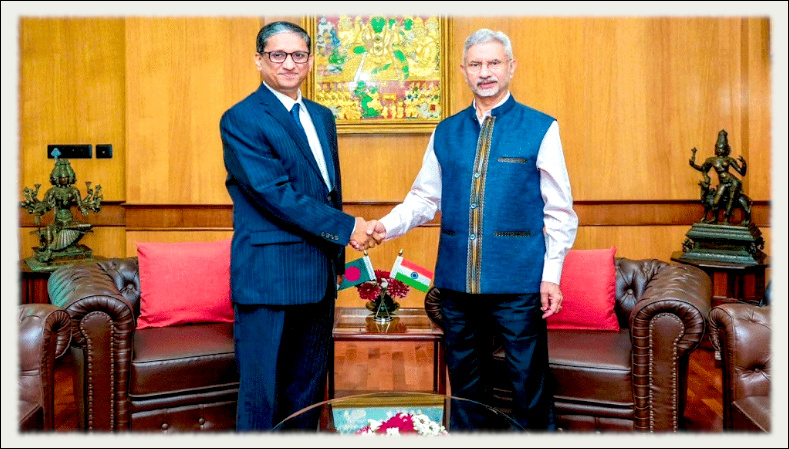
Rahman led the Bangladeshi delegation at the meeting, accompanied by Kabir and senior officials from the foreign ministry. Alongside the formal sessions, the delegation held a series of bilateral meetings with foreign ministers and diplomats from several member states.
Diplomatic sources said Bangladesh used those discussions to seek support for a possible future bid for the presidency of the UN General Assembly (UNGA). Observers say such outreach reflects Dhaka’s growing interest in expanding its influence within global institutions, as the country seeks a more prominent role in multilateral decision-making.
The London trip, however, also drew attention for a separate administrative decision involving Bangladesh’s diplomatic mission in the UK. Speaking to reporters after arriving at Heathrow airport, Kabir announced that Bangladesh’s high commissioner to the United Kingdom, Abida Islam, had been withdrawn from her post.
According to Kabir, the government had been dissatisfied with certain aspects of the mission’s performance and had decided to replace the envoy, partly in response to concerns over engagement with the Bangladeshi diaspora community in the UK.
The announcement prompted discussion among diplomatic observers. Several international and Bangladeshi media outlets noted that it is relatively unusual for the withdrawal of a serving ambassador or high commissioner to be publicly announced during an overseas visit by senior officials.
Former diplomats and analysts told media outlets that such decisions are typically communicated through formal administrative channels in Dhaka. Public statements during foreign visits, they said, are less common in diplomatic practice.
Despite the controversy, analysts say the main significance of the visit lies in Bangladesh’s efforts to deepen its engagement with multilateral institutions. Participation in a major Commonwealth forum, outreach to multiple governments and attempts to build support within the United Nations system all point to a broader diplomatic strategy.
For countries transitioning toward middle-income status, active participation in international forums is often seen as a way to strengthen political influence and expand diplomatic networks. From that perspective, observers say Bangladesh’s diplomatic activity in London reflects a wider effort by Dhaka to position itself more visibly within global multilateral platforms.