Saduk Sagar, Dhaka–
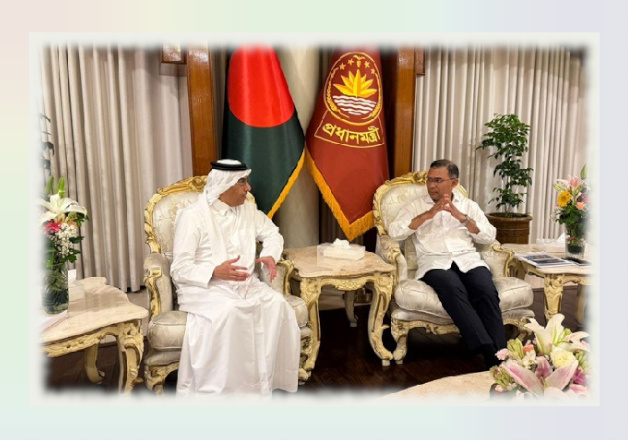
Bangladesh has recalled five of its senior diplomats from key overseas missions in a move widely seen as part of a broader diplomatic reshuffle following the country’s recent political transition. The decision signals an effort by the current elected government to recalibrate parts of the foreign service and review appointments made under the previous administration.
According to officials at the foreign ministry, ambassadors posted in Brussels, Canberra, Lisbon and New Delhi, as well as Bangladesh’s permanent representative to the United Nations in New York, have been asked to return to Dhaka without delay. The directive follows an earlier recall of Bangladesh’s high commissioner to the United Kingdom, indicating a wider restructuring of the diplomatic corps.
Some of the recalled envoys were appointed during the tenure of former prime minister Sheikh Hasina, whose government collapsed after weeks of nationwide protests that culminated in her resignation on August 5. The political upheaval paved the way for a new leadership structure headed by Nobel Peace Prize laureate Muhammad Yunus.
Since the change in government, authorities have undertaken an extensive administrative reorganisation across state institutions. Hundreds of senior officials have been transferred, reassigned or moved into early retirement as the new administration seeks to place trusted officials in key positions.
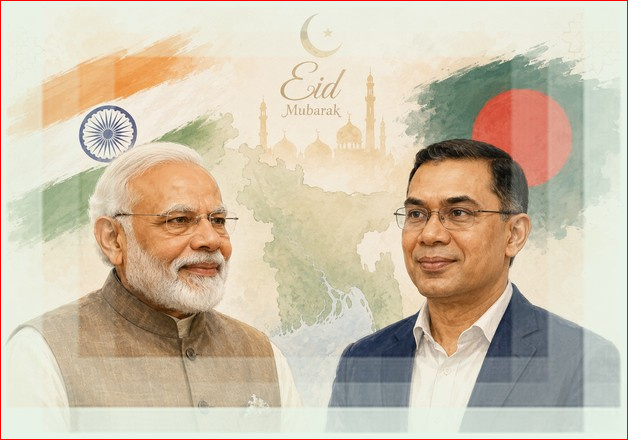
Diplomatic observers note that while such reshuffles are not unusual following major political transitions, the recall of envoys from strategically important posts underscores the government’s intention to review Bangladesh’s diplomatic representation. Missions in countries such as India and at the United Nations play particularly significant roles in advancing Dhaka’s regional and global interests.
Relations with India remain especially sensitive given the complex political backdrop and the two countries’ extensive land border and economic ties. At the same time, international scrutiny has also grown following reports of unrest after the political changes, though authorities maintain that incidents of violence were politically motivated rather than religiously driven.
With replacements yet to be announced, analysts expect further adjustments in Bangladesh’s diplomatic network as the government works to align foreign policy representation with its evolving priorities.