Senior Correspondent, Dhaka:
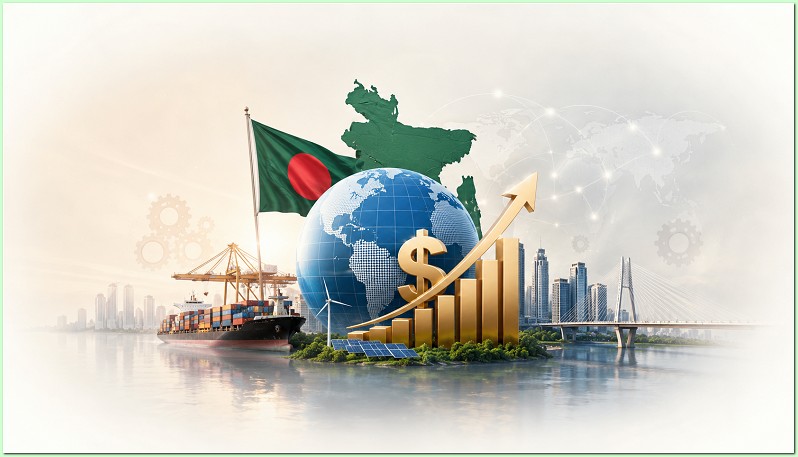
Bangladesh’s ambition to become a $1 trillion economy by 2034 represents one of the boldest economic targets in its history. But achieving that milestone will require far more than robust GDP growth—it will depend on attracting unprecedented levels of foreign direct investment (FDI), strengthening domestic industries and implementing deep structural reforms. Recognizing this, the government is placing economic diplomacy at the center of its development strategy.
The latest indication came on Sunday when the Ministry of Foreign Affairs convened a closed-door roundtable, “Roadmap for Trade, Growth and Economic Diplomacy-2026: The Capital Dialogue,” bringing together representatives of foreign missions, development partners, financial institutions and senior policymakers to discuss investment priorities and long-term growth.
Following the meeting, State Minister for Foreign Affairs Shama Obaed Islam said investors from China, Japan, the United States and several other countries have already shown interest in Bangladesh, with many engaging directly with the Bangladesh Investment Development Authority (Bida) and the Ministry of Commerce. The government’s message is clear: attracting investment is no longer just an economic objective—it has become a cornerstone of Bangladesh’s foreign policy.
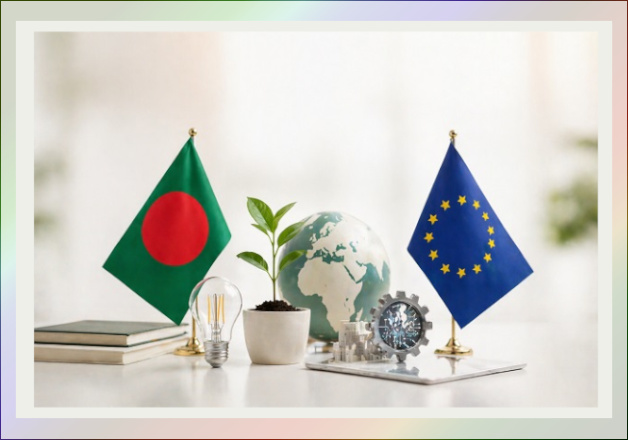
One of the most notable aspects of the strategy is the renewed focus on the blue economy. By inviting greater European investment in marine resources, Bangladesh is looking beyond its traditional strengths in garments and manufacturing. Sustainable fisheries, offshore renewable energy, maritime logistics, shipbuilding and coastal tourism could emerge as new engines of economic growth if supported by the right policies and infrastructure.
Yet investor interest alone will not deliver a trillion-dollar economy. Bangladesh continues to face challenges related to regulatory uncertainty, bureaucratic delays, infrastructure gaps, financial sector vulnerabilities and ease of doing business. As the country prepares for graduation from Least Developed Country (LDC) status, improving the investment climate will become increasingly important to remain competitive in the global market.
The government is also developing a new economic model centered on higher investment, industrial revitalization, agricultural transformation and administrative reforms. These initiatives suggest a recognition that sustained growth requires not only foreign capital but also stronger institutions and a more productive domestic economy.
The dialogue follows the Bangladesh Trade and Investment Conference 2026, where policymakers, diplomats and business leaders explored strategies to strengthen trade, expand market access and improve industrial competitiveness. Together, these initiatives reflect a broader shift toward using diplomacy as a tool for economic transformation.
However, the real test lies ahead. Bangladesh has succeeded in generating international interest, but turning diplomatic engagement into large-scale investment commitments—and ultimately into productive industries, quality jobs and higher exports—will determine whether the country’s trillion-dollar aspiration becomes reality.
The vision is undoubtedly ambitious. Whether investment can match that ambition will depend on how effectively Bangladesh converts policy promises into investor confidence and long-term economic reforms.