Staff Correspondent, Dhaka:
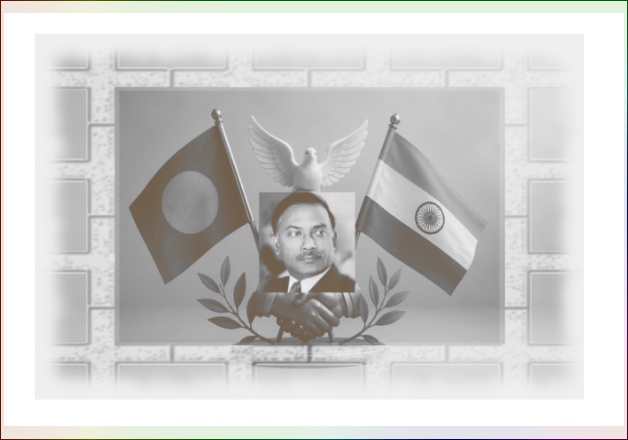
India’s decision to publicly commemorate Shaheed President Ziaur Rahman on his death anniversary carries significance beyond a routine diplomatic gesture. By recalling Ziaur Rahman’s historic radio address during Bangladesh’s Liberation War and acknowledging his role in inspiring resistance against oppression, New Delhi has sent a carefully calibrated message aimed at both historical recognition and contemporary bilateral engagement.
The statement by the Indian High Commission in Dhaka comes at a time when Bangladesh-India relations are navigating a sensitive political environment marked by changing domestic dynamics and periodic diplomatic tensions. By paying tribute to a figure who remains deeply respected among large segments of the Bangladeshi population, India appears to be broadening its public diplomacy approach and demonstrating sensitivity to Bangladesh’s diverse political and historical narratives.
Historically, discussions surrounding Bangladesh’s independence have often been intertwined with domestic political debates over the contributions of various leaders. India’s recognition of Ziaur Rahman’s role in mobilizing the population during the Liberation War reflects an acknowledgment of a historical figure whose legacy extends beyond partisan politics. Such recognition may be interpreted as an effort to engage with a broader spectrum of Bangladeshi society rather than being associated with any particular political constituency.
The emphasis on “shared sacrifices” and a “common journey towards progress and prosperity” is equally noteworthy. These phrases reinforce India’s longstanding narrative that Bangladesh-India relations are rooted in the events of 1971 and should be viewed through the lens of historical partnership rather than short-term political disagreements. By linking Ziaur Rahman’s wartime role with the present-day relationship, India is attempting to strengthen the emotional and historical foundations of bilateral ties.
The timing of the message also suggests an awareness of Bangladesh’s evolving political landscape. As Dhaka seeks to diversify its international partnerships while maintaining close ties with New Delhi, symbolic gestures that recognize national icons can help sustain goodwill and reduce perceptions of political bias.
Ultimately, India’s tribute is more than a commemorative statement. It reflects a nuanced diplomatic effort to reinforce historical connections, acknowledge Bangladesh’s national memory, and project a message of continuity in bilateral relations. Whether this symbolic outreach translates into greater political trust will depend on broader developments, but it demonstrates New Delhi’s recognition of the importance of historical narratives in shaping contemporary diplomacy.