Staff Correspondent, Dhaka:
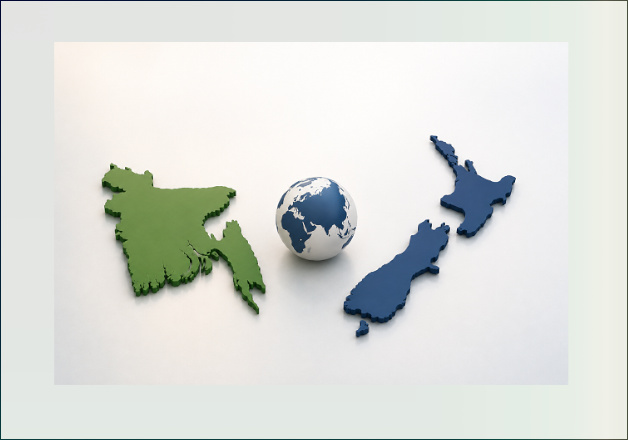
New Zealand has expressed strong interest in continuing duty-free and preferential market access facilities for Bangladesh even after the country graduates from the Least Developed Country (LDC) category, offering an important reassurance for Bangladesh’s export sector during a critical economic transition.
The assurance was conveyed by New Zealand’s non-resident High Commissioner David Pine during a meeting with Commerce Adviser Khandakar Abdul Muktadir at the Secretariat. The two sides discussed expanding bilateral trade and investment relations, improving the use of regional trade frameworks, and exploring the possibility of signing a comprehensive bilateral Free Trade Agreement (FTA).
The development is significant because Bangladesh is expected to face the gradual withdrawal of several trade preferences after LDC graduation. Continued duty-free access from developed economies such as New Zealand could help reduce pressure on export-oriented industries, especially the Ready-Made Garments (RMG) sector, which contributes the largest share of the country’s export earnings and supports millions of jobs.
Bangladesh has been actively pursuing alternative trade arrangements and bilateral agreements to maintain competitiveness in global markets after graduation. In this context, New Zealand’s willingness to continue preferential access reflects growing confidence in Bangladesh’s economic potential and its role as an emerging manufacturing hub in South Asia.
During the meeting, Muktadir emphasized industrialization, employment generation, and export diversification as key priorities for ensuring a smooth post-LDC transition. He also encouraged New Zealand investors to explore opportunities in Bangladesh under the government’s business-friendly policies.
David Pine highlighted the importance of trade diversification in the current global economic environment and noted that New Zealand is interested in building a stable and long-term trade partnership with Bangladesh. His remarks indicate that both countries are looking beyond traditional trade ties toward deeper economic cooperation that could support sustainable growth and stronger bilateral relations in the coming years.