Anwar Shahadat
Washington DC: Political Week in Review
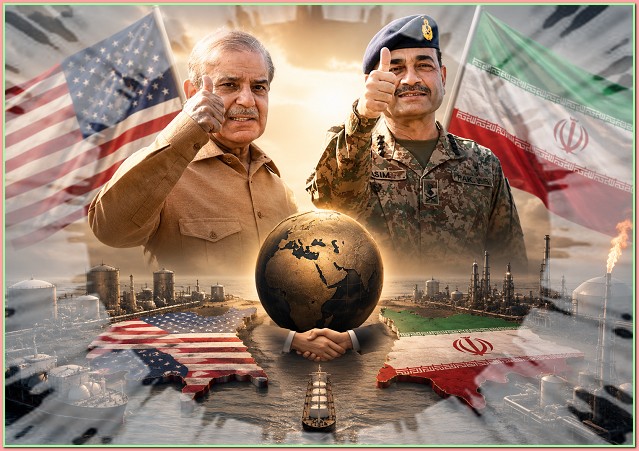
On foreign policy, the Trump administration’s evolving approach to Iran signals a clear shift in tone. What initially began with confident and time-bound statements has now moved toward more open-ended language regarding ceasefire continuation and regional de-escalation. The possibility of extending the ceasefire framework, along with references to reducing tensions between Israel and Lebanon, suggests a less defined strategic timeline than previously presented. This change indicates that the administration is responding to geopolitical constraints and domestic sensitivity regarding prolonged foreign engagement rather than operating within a fixed plan.
Domestically, the Virginia redistricting election has become an important indicator of broader political dynamics. Republicans had viewed redistricting as a structural advantage, particularly as a tool to secure congressional control. However, the recent outcome in Virginia suggests that this advantage may be less stable than anticipated. The result has introduced uncertainty into expectations about maintaining a Republican majority in Congress and has prompted both parties to reassess their electoral strategies.
Another development involves FBI Director Kash Patel, who is facing controversy following reporting by The Atlantic. The report raised concerns about aspects of his conduct, which he has strongly denied. He has responded with a defamation lawsuit seeking 250 million dollars in damages. This dispute highlights the increasingly adversarial relationship between senior officials and major media organizations, where legal and reputational battles often extend beyond immediate facts and into long-term credibility conflicts.
In the health sector, Secretary of Health and Human Services Robert F. Kennedy Jr. faced significant scrutiny during his Senate hearing. Lawmakers, including members of his own party, raised concerns about the administration’s handling of public health issues, particularly measles outbreaks. His performance reflected the growing pressure on public health leadership at a time when institutional trust and crisis response capacity are under close examination.
Similarly, Federal Reserve nominee Kevin Warsh encountered a challenging confirmation hearing in the Senate. Lawmakers questioned his policy positions and the implications for central bank independence. The hearing underscored broader concerns about economic stability and the direction of monetary policy in an uncertain financial environment.
Within the political landscape, divisions within the MAGA movement are becoming more visible. Figures such as Tucker Carlson and Representative Marjorie Taylor Greene have shown increasing divergence from President Trump on certain political positions. Carlson’s public criticism of his earlier support highlights a deeper ideological strain within the movement. These developments suggest that internal cohesion may be weakening, particularly among influential media and political voices that previously aligned closely with the former president.
Another notable development involves discussions around potential government involvement in Spirit Airlines. Reports indicate interest in federal participation involving approximately 500 million dollars. The proposal has drawn strong opposition from Senator Tom Cotton and other lawmakers, who argue that direct government involvement in airline ownership or financial restructuring would represent an inappropriate expansion of federal economic intervention. The debate reflects a broader ideological divide in Washington over the role of government in private industry, particularly in sectors considered strategically or economically sensitive.
Finally, international considerations continue to intersect with domestic politics in the context of the upcoming FIFA World Cup in the United States. Secretary of State Marco Rubio stated that participation by Iranian nationals would be limited to athletes and essential personnel, excluding individuals associated with the Islamic Revolutionary Guard Corps. This position reflects ongoing geopolitical tensions and the careful balancing of international sporting participation with national security concerns.
Overall, this week’s developments highlight a political environment marked by adjustment and reassessment. Across foreign policy, domestic governance, economic regulation, and political coalitions, Washington continues to navigate competing pressures while attempting to maintain stability in an increasingly complex landscape.