Sadik Sagar, Dhaka:
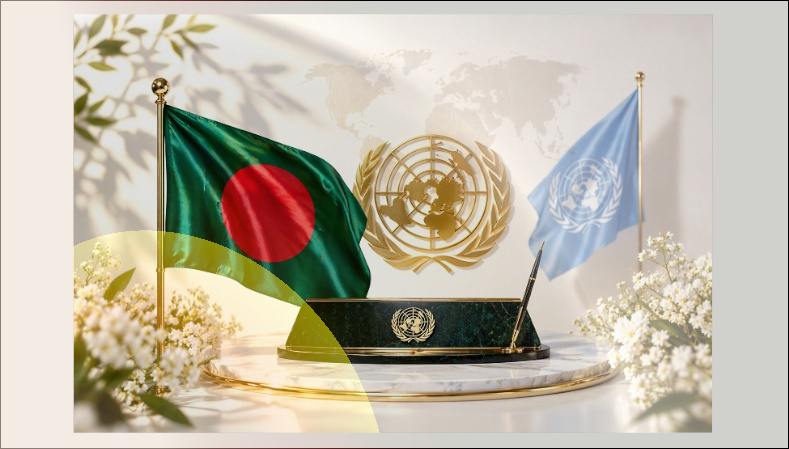
Bangladesh’s recent flurry of high-level diplomatic engagements signals a calculated and increasingly assertive foreign policy posture, as Dhaka mobilizes global support for its bid to preside over the 81st session of the United Nations General Assembly. The ongoing three-nation tour by Foreign Minister Khalilur Rahman—covering Turkey, Brussels, and Ethiopia—illustrates a multi-layered diplomatic strategy aimed at consolidating political backing across key geopolitical blocs.
The first leg of the visit in Turkey, centered on participation in the Antalya Diplomacy Forum, offers Bangladesh a high-visibility platform to engage with global leaders. Held under the patronage of Turkish President Recep Tayyip Erdogan, the forum serves as more than a discussion venue; it is a strategic networking arena. Bilateral engagements, particularly with Turkish Foreign Minister Hakan Fidan, are expected to reinforce ties with Ankara while simultaneously broadening Bangladesh’s outreach to other participating nations.
Beyond symbolic presence, the Turkey visit reflects Dhaka’s intent to leverage multilateral gatherings to advance specific national objectives. Chief among them is securing votes for the UNGA presidency. Bangladesh’s approach here appears pragmatic, combining formal diplomacy with informal engagements to build consensus among diverse stakeholders.
The second leg in Brussels marks a shift from political diplomacy to institutional engagement. The signing of the Partnership and Cooperation Agreement (PCA) with the European Union represents a significant milestone in Bangladesh-EU relations. This agreement not only institutionalizes cooperation but also signals Bangladesh’s commitment to aligning with broader European frameworks on trade, governance, and development. Engagement with EU leadership, including High Representative Kaja Kallas, further underscores Dhaka’s effort to secure backing from a powerful and influential voting bloc within the UN system.
The final leg in Addis Ababa, home to the African Union, is arguably the most crucial from a numerical standpoint. African nations constitute a significant voting group in UN elections, and Bangladesh’s targeted outreach—through receptions and direct engagement with foreign missions—demonstrates a clear understanding of voting dynamics. By prioritizing Africa, Dhaka is attempting to bridge geographical and political distances to secure decisive support.
This coordinated diplomatic campaign is not occurring in isolation. It builds on a series of prior engagements by the foreign minister across key international capitals, reflecting continuity rather than episodic outreach. The presence of Foreign Affairs Adviser Humayun Kabir throughout most of these visits further indicates a tightly managed and strategically aligned foreign policy apparatus.
Historically, Bangladesh’s successful election to preside over the 41st UNGA session in 1986 under Humayun Rashid Chowdhury provides both precedent and motivation. However, the current geopolitical landscape is far more competitive, with Cyprus emerging as a rival candidate.
In this context, Bangladesh’s diplomatic offensive reflects a blend of ambition and necessity. The coming weeks will determine whether this broad outreach translates into tangible gains. Regardless of the outcome, the current campaign has already demonstrated Dhaka’s growing confidence and activity on the global stage—an evolution that may shape its foreign policy trajectory well beyond the UNGA vote.