Special Correspondent, Dhaka:
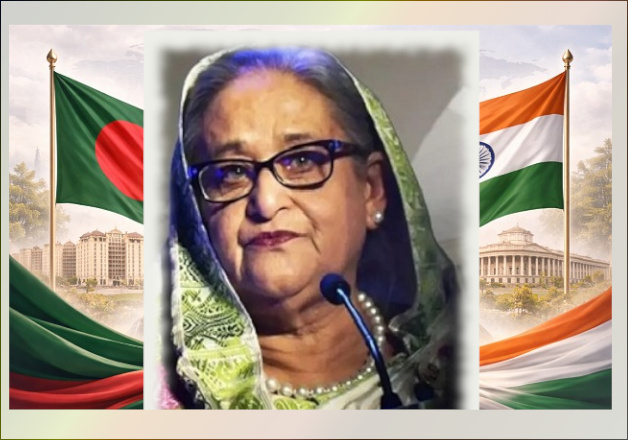
India’s cautious response to Bangladesh’s request to extradite former prime minister Sheikh Hasina reflects a delicate balancing act between legal obligation and geopolitical pragmatism. New Delhi’s position—framed as a matter under judicial review—signals neither acceptance nor rejection, but rather a calibrated pause designed to preserve strategic flexibility in a rapidly evolving regional context.
According to Randhir Jaiswal, spokesperson for India’s Ministry of External Affairs, the request is being examined within the country’s legal framework. This emphasis on “due process” is not merely procedural; it provides diplomatic cover for India to manage competing priorities.
The timing is significant. The extradition issue has resurfaced as India seeks to stabilize relations with Bangladesh’s new administration after the February 12 election. While the change in leadership in Bangladesh has introduced uncertainty, India’s messaging suggests a “business-as-usual” approach—prioritizing continuity in cooperation over political disruption. This is evident in ongoing efforts to deepen engagement in trade, energy, and regional security.
For India, the stakes extend beyond bilateral relations. Bangladesh remains a critical partner in South Asia, particularly in connectivity, counterterrorism, and economic integration. Any decision on extradition will therefore be assessed through a broader strategic lens, including its potential impact on regional stability and India’s influence in the neighborhood.
At the same time, the legal complexities surrounding extradition cannot be overlooked. India’s judicial system requires substantive evidence and adherence to treaty obligations, making the process inherently slow and deliberative. By foregrounding legal procedure, New Delhi effectively shifts the narrative away from political pressure to institutional integrity.
Meanwhile, the continued presence of Hasina in India adds a layer of sensitivity. It risks becoming a symbolic issue in Bangladesh’s domestic politics, potentially straining public perception of India’s role. Yet, both sides appear committed to insulating broader relations from this single contentious matter, as reflected in plans for upcoming official meetings and sustained diplomatic dialogue.
Ultimately, India’s response underscores a familiar doctrine: strategic patience. By neither rushing nor dismissing the request, New Delhi is buying time to align legal processes with geopolitical interests—ensuring that its long-term partnership with Bangladesh remains intact, regardless of the outcome of this high-profile case.