
Sadik Sagar, Dhaka:
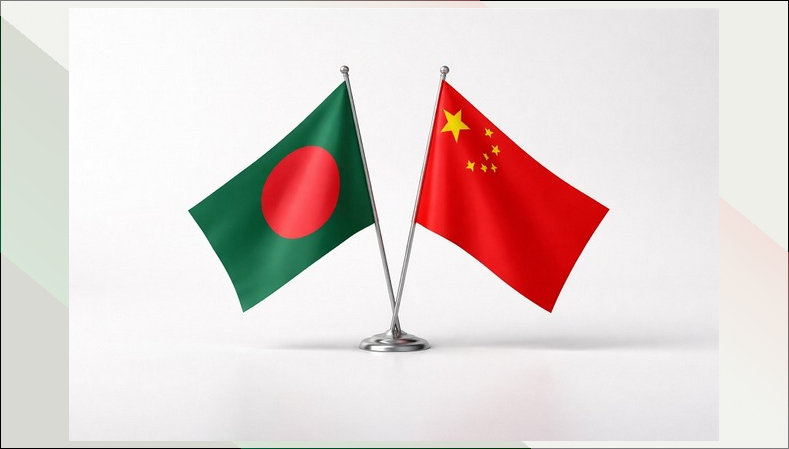
Foreign Minister Dr Khalilur Rahman’s upcoming visit to China marks an early and significant diplomatic move by the new BNP-led government, offering insight into Dhaka’s evolving foreign policy priorities. Scheduled for later this month, the trip—his first to Beijing since the BNP assumed office in February—comes amid parallel political engagement, including a party delegation led by Mirza Fakhrul Islam Alamgir visiting China in mid-April at the invitation of the Communist Party of China.
Taken together, these developments signal a calibrated effort by the BNP government to reinforce ties with Beijing while shaping its broader diplomatic posture. The anticipated meeting between Khalilur Rahman and Chinese Foreign Minister Wang Yi is expected to go beyond routine bilateral discussions. It will likely serve as a platform to align priorities, assess ongoing cooperation, and explore new avenues for engagement under a changed political landscape in Dhaka.
One key dimension of the visit is Dhaka’s reported intention to seek Beijing’s backing for Khalilur Rahman’s candidacy for the presidency of the UN General Assembly. This reflects Bangladesh’s continued emphasis on multilateral diplomacy, where Chinese support could be influential given Beijing’s global standing.
Economically, the visit underscores the structural importance of China to Bangladesh. As Bangladesh’s largest trading partner, with trade volumes reaching around $23 billion, China remains central to the country’s industrial supply chain—particularly in machinery and raw materials. Continued Chinese financing of large-scale infrastructure projects further reinforces this dependency. For the BNP government, maintaining this economic momentum while potentially renegotiating terms or diversifying partnerships will be a delicate balancing act.
Politically, the outreach reflects China’s consistent strategy of engaging across Bangladesh’s political spectrum. During the interim administration led by Muhammad Yunus, Beijing hosted leaders from multiple parties, including the BNP and others. This non-partisan engagement allows China to safeguard its long-term strategic interests regardless of political transitions in Dhaka.
At a broader level, the visit may also lay the groundwork for a high-profile trip by Prime Minister Tarique Rahman, who has already been invited by Beijing. If realized, such a visit would elevate bilateral ties and potentially lead to new agreements in trade, investment, and infrastructure.
In strategic terms, the BNP government appears to be signaling continuity rather than disruption in Bangladesh–China relations. However, the real test will lie in how Dhaka balances its engagement with Beijing alongside its relations with other major partners, including India and the United States. The upcoming visit, therefore, is not just diplomatic routine—it is an early indicator of how the BNP intends to position Bangladesh within an increasingly competitive geopolitical landscape.