
Special Correspondent, Dhaka:
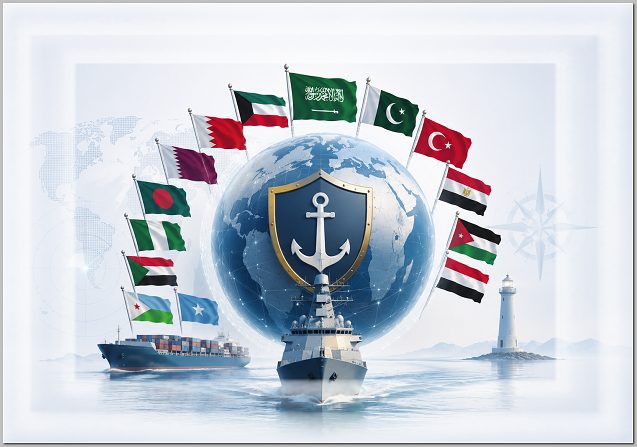
Bangladesh’s decision to join the Saudi-led Multinational Maritime Defense Alliance represents a notable development in its maritime and foreign policy, but its long-term implications remain open to debate. While the initiative seeks to protect critical shipping routes in the Bab al-Mandeb Strait, the Red Sea, and the Gulf of Aden, Dhaka’s participation carries both strategic opportunities and diplomatic risks.
On the positive side, Bangladesh has a strong economic interest in ensuring secure maritime trade. As an export-oriented economy, particularly dependent on ready-made garments and imported energy, disruptions in the Red Sea have translated into higher freight costs, delayed shipments, and increased pressure on supply chains. Supporting efforts to enhance maritime security is therefore consistent with Bangladesh’s broader economic priorities and could strengthen defense cooperation with key Middle Eastern partners.
However, joining a Saudi-led military framework also raises important questions. Bangladesh has historically maintained a cautious foreign policy centered on strategic neutrality and non-alignment. Participation in a security alliance operating in one of the world’s most contested maritime regions could create diplomatic sensitivities, particularly as tensions involving Iran, the Houthis, the United States, and other regional powers continue to shape the Red Sea security landscape. Even if the alliance is officially defensive, perceptions of political alignment may prove difficult to avoid.
Another uncertainty concerns the alliance itself. While 14 countries have endorsed the initiative, its operational structure, command mechanisms, rules of engagement, and burden-sharing arrangements are still under development. Whether it can effectively deter maritime threats without becoming entangled in broader regional rivalries remains unclear.
For Bangladesh, the challenge will be to balance its economic interest in secure sea lanes with its long-standing diplomatic principle of maintaining constructive relations with competing regional actors. The alliance could enhance Bangladesh’s international maritime profile, but only if participation remains limited to collective maritime security rather than evolving into a platform for broader geopolitical competition. As the initiative takes shape, Dhaka’s diplomatic flexibility will be tested as much as its commitment to maritime security.