Senior Correspondent, Dhaka:
Bangladesh has reaffirmed its longstanding foreign policy of supporting peaceful conflict resolution by emphasizing dialogue and diplomacy as the foundation for stability in the Middle East. Recent engagements between Dhaka and Tehran underscore Bangladesh’s effort to balance humanitarian solidarity with its broader commitment to regional peace and international cooperation.
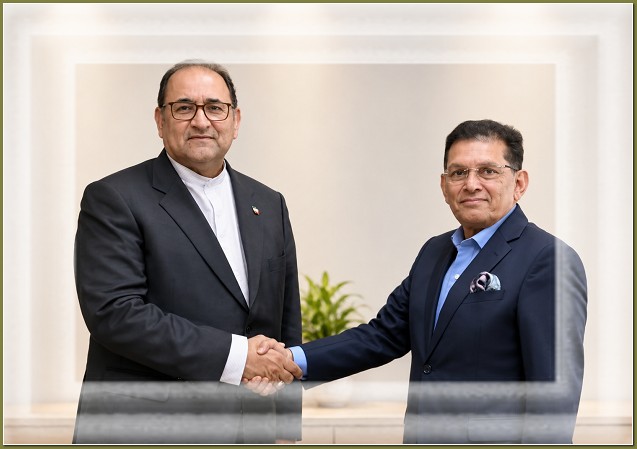
During a meeting with Iran’s Ambassador to Bangladesh, Foreign Minister Dr. Khalilur Rahman stressed that lasting peace in the Middle East is essential not only for the region’s prosperity but also for global economic and political stability. His remarks reflect Bangladesh’s consistent diplomatic approach of advocating negotiated solutions over confrontation, particularly in regions experiencing prolonged geopolitical tensions.
The meeting also highlighted Bangladesh’s expression of condolences following the death of Iran’s Supreme Leader, Ayatollah Ali Khamenei. By sending a high-level delegation, led by Speaker Hafiz Uddin Ahmad, to the state funeral in Tehran, Bangladesh signaled its respect for longstanding bilateral ties while maintaining its engagement with a key partner in the Middle East.
The visit provided an opportunity to reinforce diplomatic relations beyond ceremonial gestures. Discussions between the parliamentary leaders of Bangladesh and Iran covered historical ties, regional peace efforts, and prospects for stronger bilateral cooperation. Bangladesh also welcomed recent diplomatic initiatives aimed at reducing tensions involving Iran, expressing hope that dialogue would lead to sustainable peace and greater regional stability.
For Bangladesh, peace in the Middle East carries strategic significance. Millions of Bangladeshi expatriate workers are employed across the wider region, and instability can directly affect labor markets, remittance inflows, energy security, and international trade. Consequently, Dhaka has consistently advocated diplomatic engagement and adherence to international law in addressing regional conflicts.
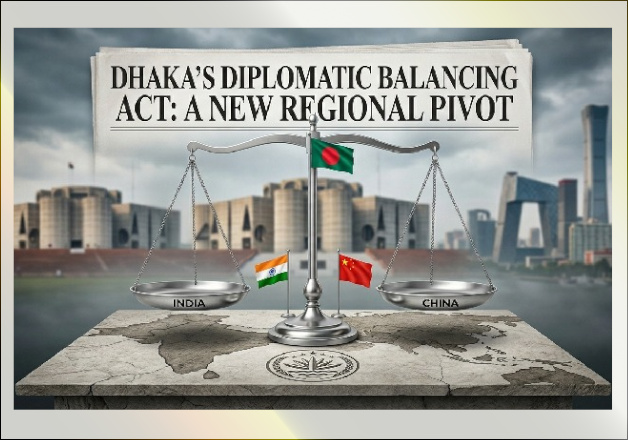
The latest exchanges illustrate Bangladesh’s broader foreign policy objective of maintaining constructive relations with all major partners while avoiding alignment with geopolitical rivalries. By supporting diplomatic initiatives and encouraging peaceful dialogue, Bangladesh continues to project itself as a responsible stakeholder that prioritizes stability, multilateral cooperation, and peaceful dispute resolution in an increasingly complex international environment.