Sadik Sagar, Dhaka:
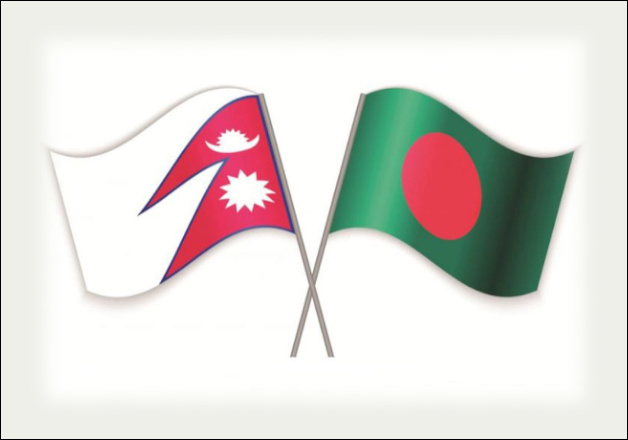
Nepal’s expression of interest in deepening ties with Bangladesh reflects a timely diplomatic opening as both countries navigate political transitions and evolving regional dynamics in South Asia. The meeting between Bangladesh’s Ambassador to Nepal, Md Shafiqur Rahman, and Nepal’s Vice-President Ram Sahaya Prasad Yadav underscores a shared willingness to reinvigorate bilateral relations that have traditionally remained cordial but underutilised.
At the core of this engagement lies a convergence of political timing. Bangladesh has recently concluded its national elections, while Nepal is in the process of forming a new government. This parallel transition provides both sides with a strategic opportunity to reset priorities and inject fresh political will into their relationship. The Nepali vice-president’s congratulatory remarks and explicit interest in working with Dhaka’s new leadership suggest Kathmandu’s intent to move beyond symbolic diplomacy toward more substantive cooperation.
Historically, Bangladesh–Nepal relations have been anchored in trade, connectivity, and people-to-people exchanges, yet structural limitations—particularly geographic constraints and limited transit access—have hindered their full potential. Nepal, being landlocked, has long sought diversified access to seaports, positioning Bangladesh as a crucial partner. In this context, Dhaka’s ports and growing infrastructure capacity could play a transformative role in facilitating Nepal’s external trade, while Bangladesh stands to benefit from expanded regional connectivity and energy cooperation.
Energy is another promising area for collaboration. Nepal’s vast hydropower potential aligns with Bangladesh’s rising energy demand, creating a mutually beneficial avenue for cross-border electricity trade. Renewed political commitment from both sides could accelerate long-discussed initiatives in this sector, especially if supported by broader subregional frameworks such as BBIN (Bangladesh, Bhutan, India, Nepal).
The diplomatic gesture of inviting Nepal’s vice-president to Bangladesh’s 55th National Day celebrations also carries symbolic weight. It reflects Dhaka’s effort to maintain high-level political engagement and reinforce goodwill at a time when regional alignments are increasingly fluid. Such exchanges, while ceremonial on the surface, often serve as precursors to more concrete policy dialogues.
However, translating intent into outcomes will require overcoming persistent bottlenecks. Key challenges include enhancing transit agreements, reducing non-tariff trade barriers, and ensuring consistent policy follow-through despite domestic political changes. Without tangible progress in these areas, expressions of interest risk remaining largely rhetorical.
Overall, Nepal’s outreach signals a recognition of Bangladesh’s growing economic and strategic relevance in South Asia. For Dhaka, this presents an opportunity to expand its regional footprint through pragmatic diplomacy and targeted cooperation. If leveraged effectively, the current momentum could mark a shift from modest engagement to a more structured and mutually beneficial partnership between the two countries.