Sadik Sagar, Dhaka:
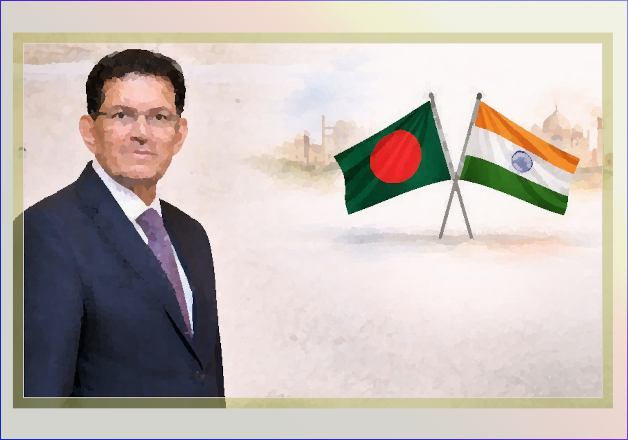
Bangladesh is set to test the trajectory of its relations with India as Foreign Minister Khalilur Rahman travels to New Delhi this week, carrying a cluster of long-standing and sensitive bilateral issues. While officially framed as a goodwill visit, the agenda suggests a more substantive effort by Dhaka to recalibrate ties with its largest neighbour on the principles of “mutual respect” and “mutual gains.”
The meetings with S. Jaishankar, Ajit Doval, and Hardeep Singh Puri indicate that discussions will extend beyond diplomacy into security, energy, and strategic cooperation. This multi-sectoral engagement reflects the evolving complexity of Bangladesh-India relations, where political, economic, and security interests are increasingly intertwined.
At the core of Dhaka’s priorities is the extradition request for former prime minister Sheikh Hasina and other accused individuals. While progress on this front may be slow due to legal and political sensitivities, raising the issue signals Bangladesh’s intent to assert judicial and political interests within the bilateral framework. It also introduces a potentially delicate dimension to ties that both sides will need to manage carefully.
Equally significant is the visa issue. Bangladesh is expected to push for the full resumption of Indian visa services, particularly given their importance for medical travel and people-to-people connectivity. The prolonged suspension since mid-2024 has had economic and social implications, and Dhaka appears keen to restore this channel as part of broader normalization.
Water-sharing, especially concerning the Teesta River, remains one of the most politically sensitive issues. Despite a draft agreement being finalised over a decade ago, the absence of a deal continues to affect trust. Compounding this is the impending expiry of the Ganges Water Treaty later this year, raising urgency for structured negotiations on transboundary river management.
Border management and civilian safety will also feature prominently, reflecting recurring concerns over fatalities along the frontier. Meanwhile, both sides are expected to explore opportunities in energy cooperation, trade facilitation, and defence engagement, areas that have historically provided ballast to the relationship.
India’s stated willingness to engage in a “positive, constructive and forward-looking manner,” reiterated by Pranay Verma, suggests openness to dialogue. However, the effectiveness of this visit will depend on whether it can translate diplomatic intent into measurable progress.
Ultimately, the visit represents a critical moment for both countries to move beyond managed stability toward a more balanced and responsive partnership.